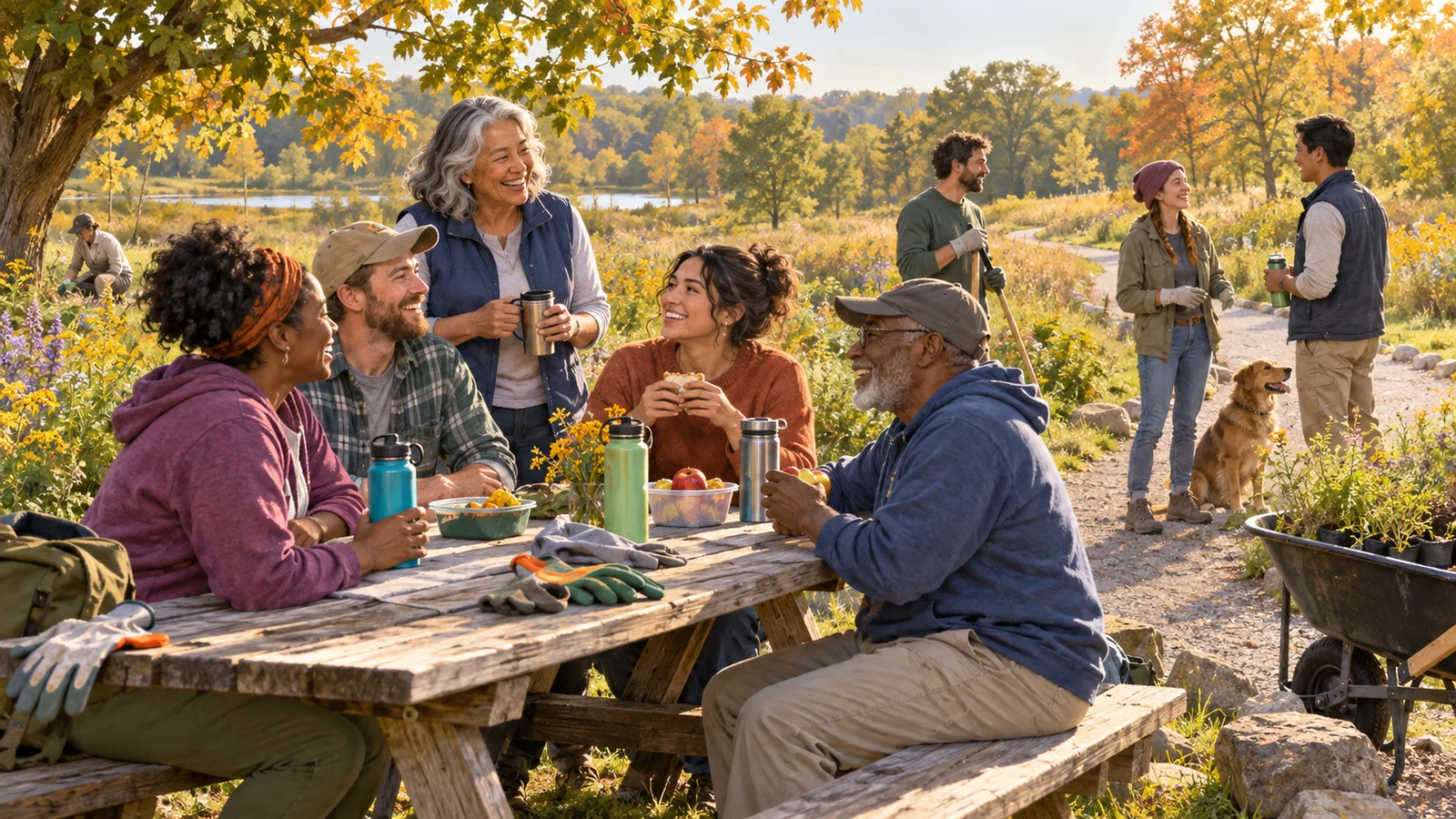
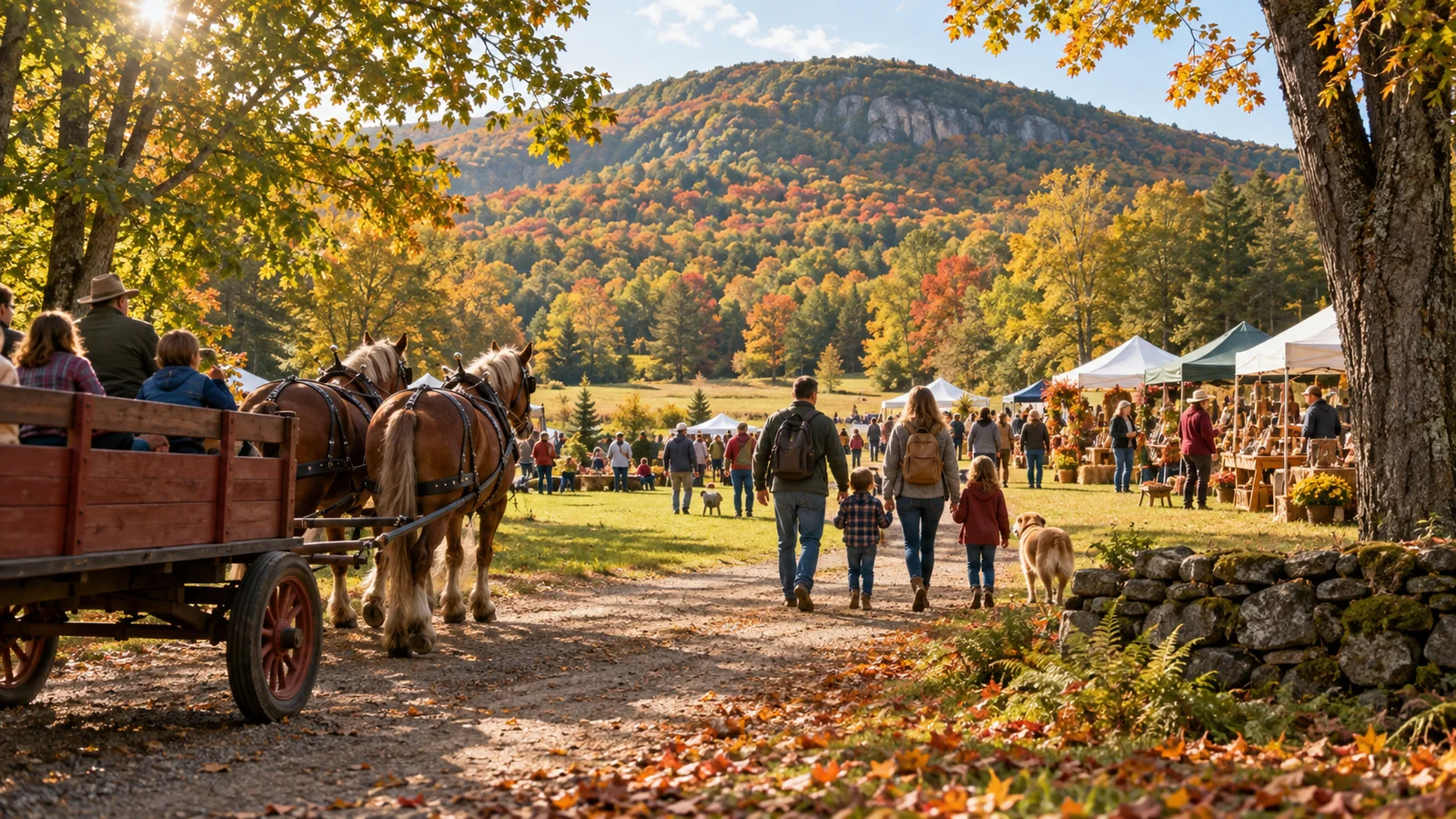
Macon has a community invitation on the calendar this weekend: the 34th annual Ocmulgee Indigenous Celebration at Ocmulgee Mounds National Historical Park. The National Park Service says the free gathering is scheduled for Saturday and Sunday, September 12 and 13, from 10 a.m. to 5 p.m.
Editorial illustration
The celebration is one of the larger events focused on Southeastern Native American culture, according to the park. Its program is designed to give visitors a chance to learn from people whose ancestors lived at the site long before Macon was founded.
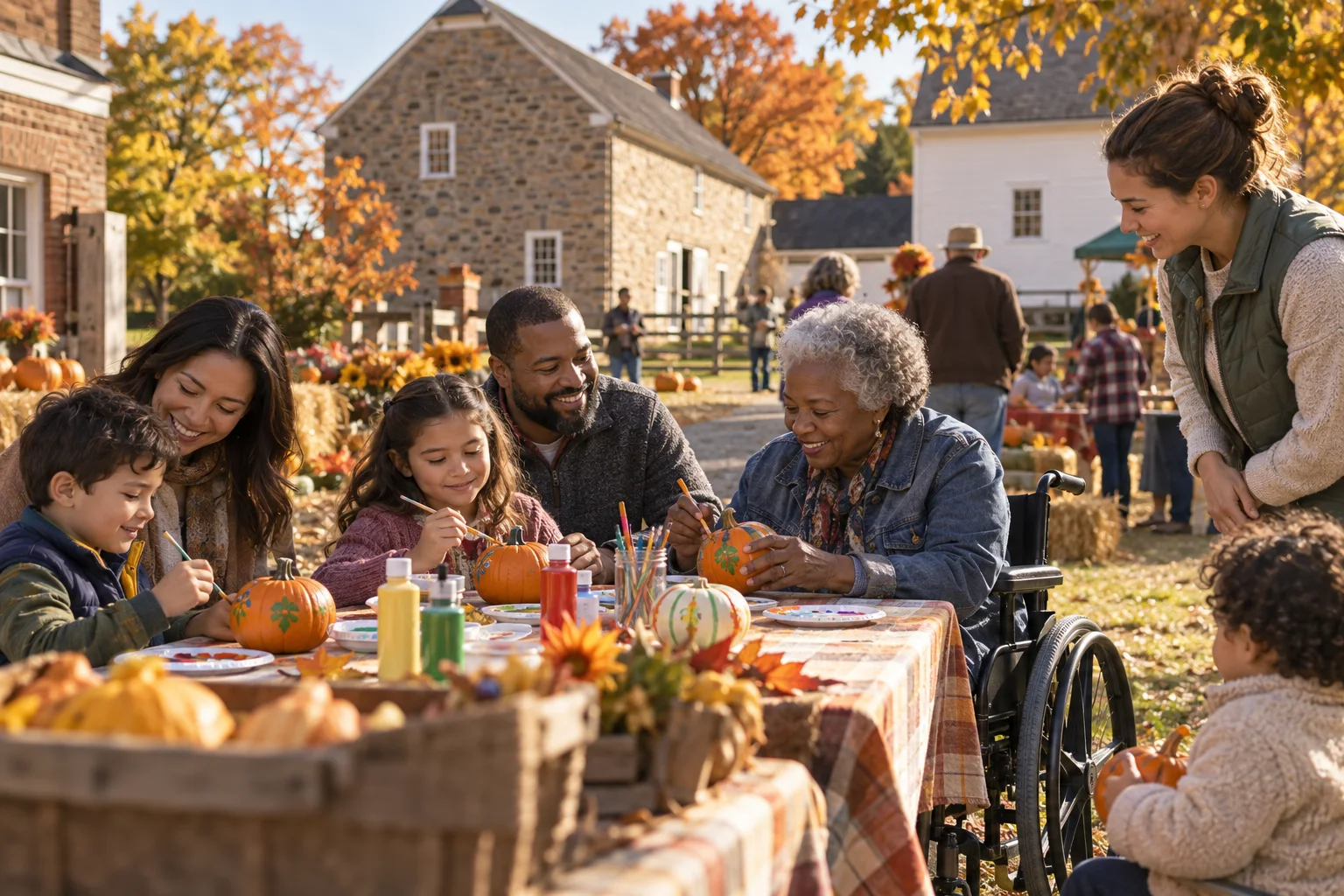
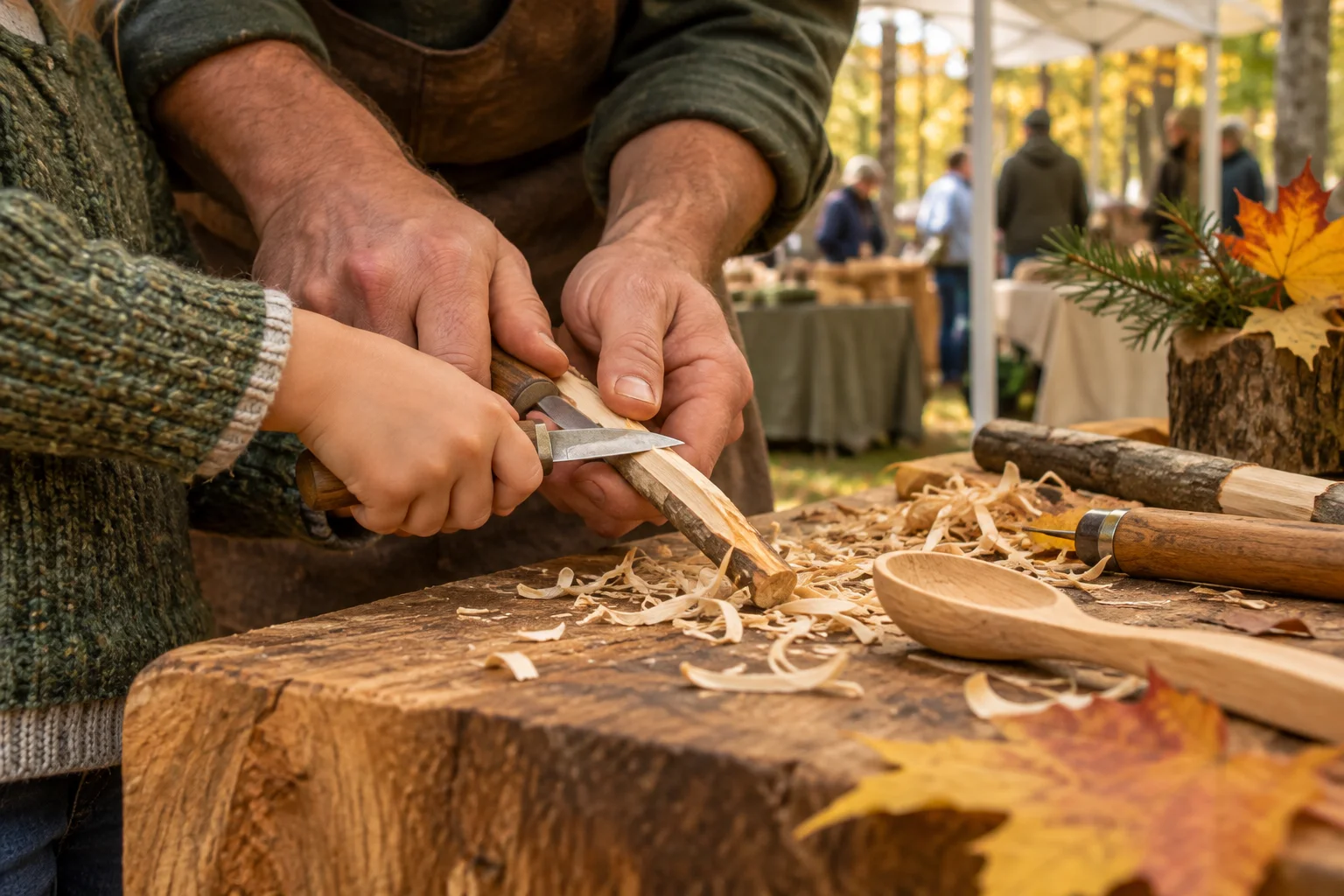
Park organizers list traditional cultural crafts, storytelling, live demonstrations, music, dance, and Native American artisans and vendors among the weekend’s offerings. There will also be children’s activities, including pottery making. That makes the event a practical family outing as well as a chance to spend time with history that remains living and local.
Editorial illustration
A welcome built around learning
The park notes that Ocmulgee lies within a landscape of deep cultural significance, with the event offering a setting for visitors to listen, learn, make something with their hands, and support participating artists. It is a cheerful kind of shared public space: people arriving with curiosity and leaving with a little more connection to the place around them.
For families planning to attend, the National Park Service lists event parking at the Macon-Bibb County Health Plaza, 171 Emery Highway. Visitors should check the park’s event page before heading out for the latest logistics.
Editorial illustration
Smile Across America follows real moments of welcome, care, and celebration in communities around the country. This weekend, Macon offers a lovely reminder that learning together can be a celebration in itself.
Smile Across America is a series of practical, people-first stops for finding welcome, curiosity, and small reasons to gather around the country.
There is a good kind of weekend plan waiting in Macon, Georgia: room to wander, stories to hear, art to make, and no admission charge. On September 12 and 13, Ocmulgee Mounds National Historical Park will host its 34th annual Ocmulgee Indigenous Celebration, a free event that brings visitors together around Southeastern Native American culture.
Editorial illustration
A weekend built for listening and making
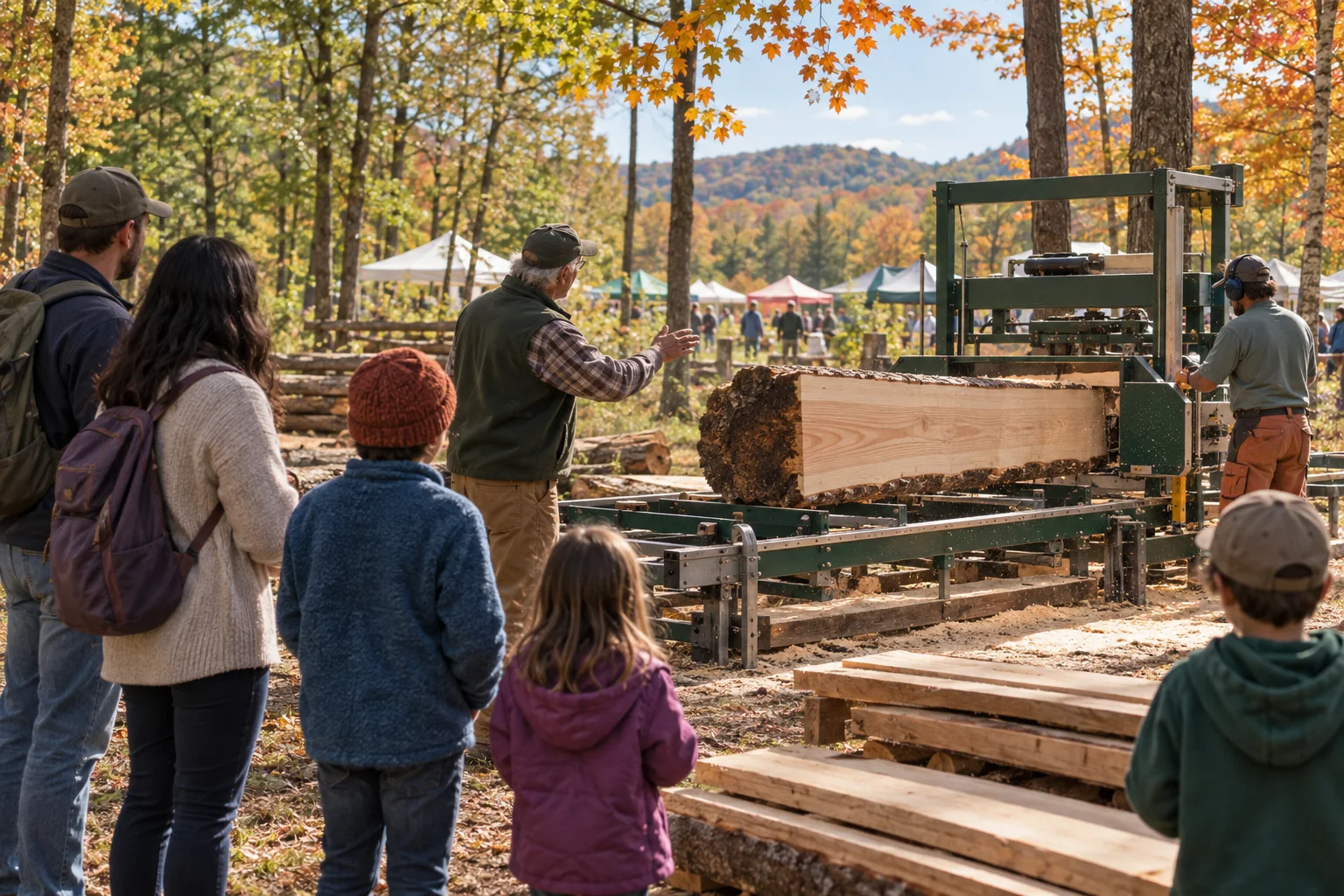
The National Park Service says the celebration will run from 10 a.m. to 5 p.m. both days. Its program includes traditional cultural crafts, storytelling, live demonstrations, music, and dance, with Native American artisans and vendors expected to take part. Families can also look for children’s activities, including pottery making.
That mix makes the gathering feel especially inviting, with many ways to take part. A visitor can linger over a demonstration, bring a child to a hands-on activity, talk with an artisan, or simply spend time learning in a place whose human history extends thousands of years before Macon was founded.
The useful arrival details
Ocmulgee’s visitor guidance is unusually helpful for a busy community day. Free event parking is planned at the Macon-Bibb County Health Plaza, 171 Emery Highway. A free shuttle will begin at 9:15 a.m. on both Saturday and Sunday and is scheduled to leave every 15 minutes. The park says an ADA-accessible bus with wheelchair lifts will be available, and the shuttles will drop visitors close to the event area.
Editorial illustration
The event is free, and the park says picnic lunches are welcome. Several food-truck vendors are also expected. Visitors can arrive on foot or by bicycle through the pedestrian gate at Clinton Street. Well-behaved dogs on six-foot leashes are allowed at the event and on the shuttle.
A respectful way to spend the day
The celebration is an educational gathering centered on learning from people whose ancestors were on this site long before the city around it existed. The park’s program lists Muscogee (Creek), Cherokee, Choctaw, Seminole, and other tribal representation.
For visitors, the simplest approach is also the best one: arrive with time to listen, follow the park’s directions, and let the people sharing their work and traditions lead the experience. A free afternoon of stories, making, music, and neighborly curiosity is a fine reason to take the scenic route.
Editorial illustration
Plan your visit: Ocmulgee Indigenous Celebration, September 12–13, 2026, 10 a.m.–5 p.m., Ocmulgee Mounds National Historical Park, Macon, Georgia. Visit the National Park Service event page for the current schedule, access details, and visitor guidance.
A Colorado Weekend Where Families Can Share the Stars
In western Colorado, a telescope can turn an ordinary family outing into a little celebration. Black Canyon Curecanti AstroFest returns September 11 and 12 with two evenings of programs that invite kids, grandparents, first-time sky watchers, and seasoned stargazers to look up together.
Editorial illustration
The National Park Service has planned Friday’s gathering at the South Rim Visitor Center in Black Canyon of the Gunnison National Park. Daytime astronomy and Junior Ranger activities run from 2 to 4 p.m., then telescope viewing and star tours fill the evening from 9 to 10:30 p.m.
Saturday shifts the celebration to Elk Creek Campground Amphitheater at Curecanti National Recreation Area. Junior Ranger activities begin at 6:15 p.m., an evening ranger program follows at 7:30 p.m., and telescope viewing with star tours runs from 8:30 to 10 p.m.
Editorial illustration
A small trip with a big sky
The festival makes an easy reason for a September road trip: a daytime canyon view, a snack at camp, a layer for the evening air, then a shared moment around the eyepiece. NPS asks visitors to bring food, water, a camp chair if desired, and a flashlight with a red lens to help everyone enjoy the dark-sky experience.
Both gatherings are free. Black Canyon entrance fees still apply on Friday. Elk Creek camping reservations are available through Recreation.gov for visitors who want to make a full weekend of Saturday’s program.
Editorial illustration
AstroFest also carries a lovely community spirit. The annual event comes together through park staff and partners including the Black Canyon Astronomical Society, Gunnison Valley Observatory, Western National Parks Association, Colorado Canyons Association, and DarkSky International. Their shared invitation feels simple and generous: bring your curiosity, find a comfortable seat, and let the Colorado night introduce itself.
Plan your sky-watching stop
Friday’s events take place at the South Rim Visitor Center in Black Canyon of the Gunnison National Park. Saturday’s events take place at Elk Creek Campground Amphitheater in Curecanti National Recreation Area. Check the park’s AstroFest page close to departure for current conditions and program updates.
Smile Across America: A September Invitation to Care for Our Shared America
America’s public lands have a big September date on the calendar, and it comes with plenty of room for neighbors, families, friends, and first-time volunteers. The National Park Service has announced that National Public Lands Day arrives Saturday, September 26, with volunteer events scheduled from September 12 through October 10.
Editorial illustration: neighbors gather for a welcoming day of public-land care.
A nationwide day with a neighborly feel
The Park Service describes National Public Lands Day as the nation’s largest single-day volunteer effort. This year’s theme, “Caring for Our Shared America,” joins the nation’s 250th-anniversary celebration with an invitation that feels wonderfully local: pick a place you value and lend a hand.
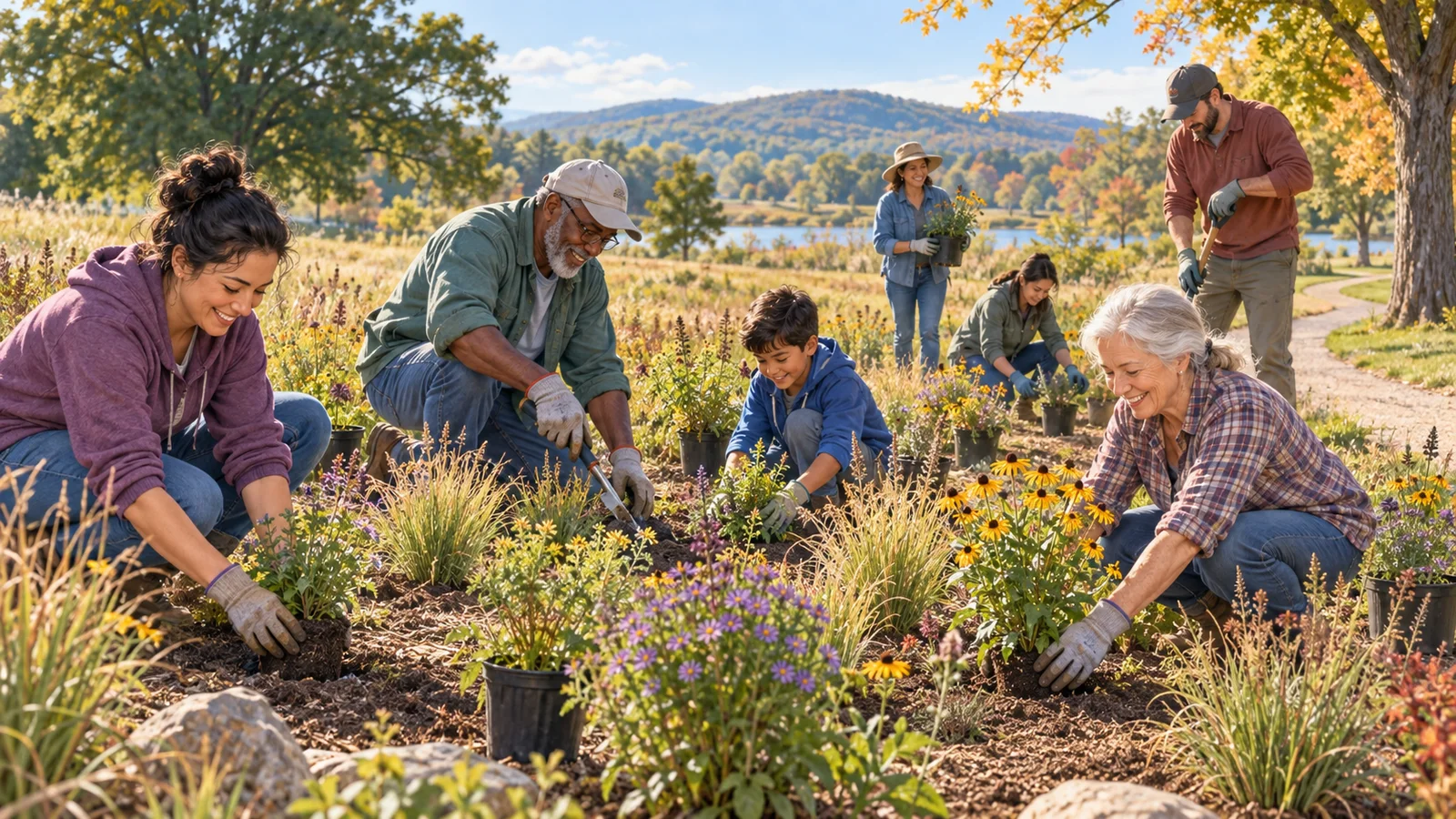
Across the country, the official park calendar already includes trail projects, habitat care, shoreline cleanups, citizen-science activities, and chances to learn alongside rangers and fellow visitors. Each activity connects a practical job with time outdoors and a shared welcome at a familiar community place.
Editorial illustration: shared work turns a trail day into a family memory.
Small plans, real places
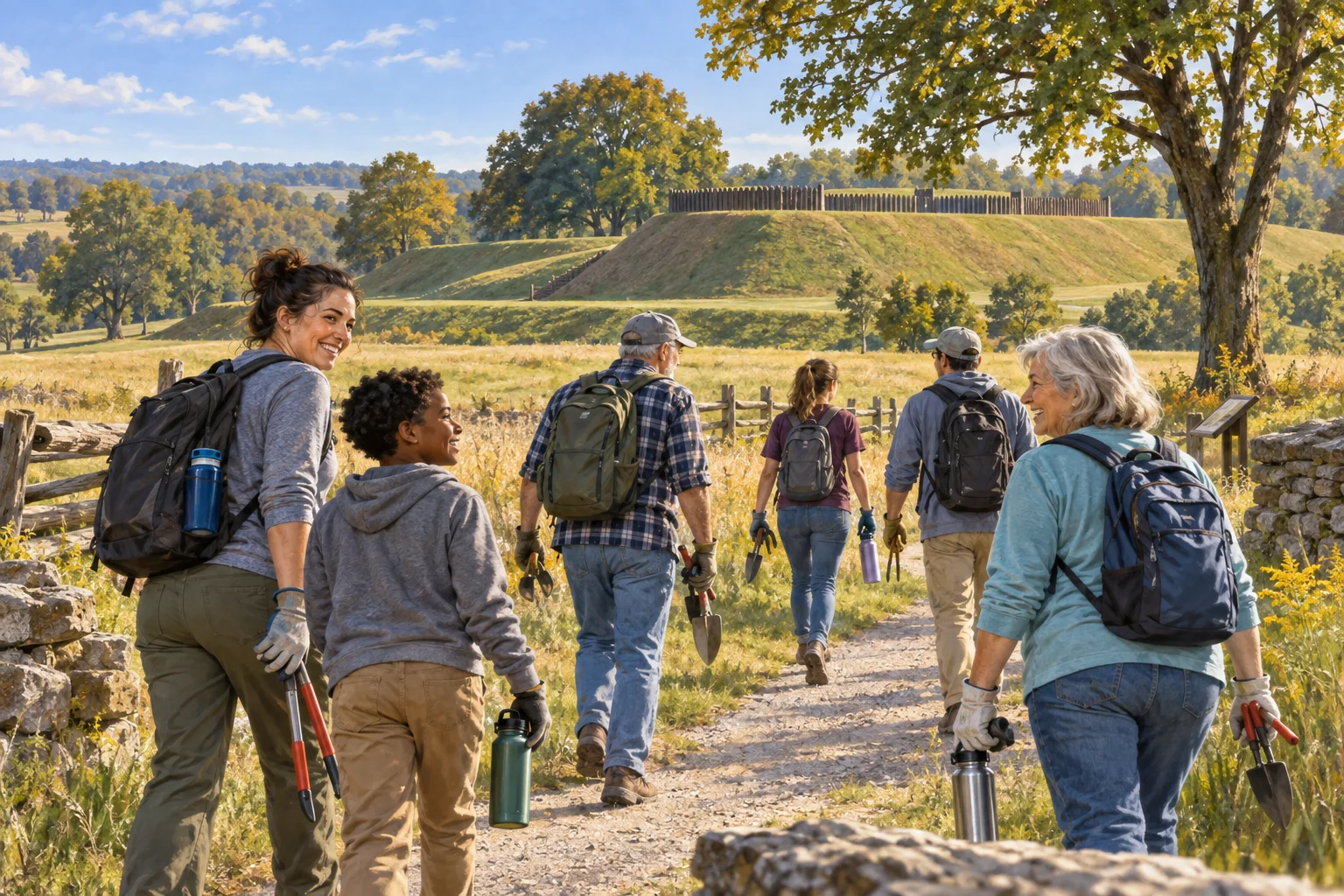
For a Smile Across America route, the National Public Lands Day calendar works like a cheerful map. At Padre Island National Seashore in Texas, an Insect BioBlitz invites participants to identify and record insects with park staff. At Canaveral National Seashore in Florida, Playalinda Beach will host a beach walk, hands-on learning stations, talks, and a stewardship activity. Fort Scott National Historic Site in Kansas plans a prairie-restoration volunteer project with tools and gloves supplied by the park.
Those examples carry the same bright idea in three distinct landscapes: a day outdoors grows richer when people share curiosity, useful work, and a little time together. Local events also give residents a gentle reason to explore a nearby refuge, seashore, battlefield, historic site, or preserve.
How to make the day your own
Start with the National Park Service’s National Public Lands Day event calendar, then choose an activity that fits your family or friend group. Park listings share dates, start times, locations, registration details, and useful packing guidance. Comfortable shoes, water, sun protection, and an eagerness to pitch in make a fine beginning.
Some parks share volunteer appreciation offers, including entrance-fee coupons for qualifying projects. A quick call or message to the selected park can help visitors plan a smooth, happy day.
Editorial illustration: a public-land service day closes with conversation, connection, and a picnic table full of smiles.
A shared place, a shared story
National Public Lands Day offers a lovely kind of travel: the short drive to a place that belongs in everyone’s story. A trail cleared, a shoreline cared for, a prairie tended, or an afternoon spent learning outdoors can become the highlight of an early-fall weekend.
September 26 gives communities a national reason to gather. The welcome begins in the local park.
In Nicodemus, Volunteers Turn Homecoming Into Living History
A Kansas tradition brings descendants, young volunteers, music, food, and shared stories together each summer.
Editorial illustration
In northwest Kansas, the annual Nicodemus Emancipation Celebration—often called Homecoming—has the easy warmth of a family reunion and the bustle of a county fair. Descendants return from across the country for games, music, food, and events that honor a community founded by Black pioneers after the Civil War.
The tradition reaches back to 1878, according to the National Park Service. Since the 1950s, the Nicodemus Township Hall has served as a center for the gathering, a role that fits a building long used for recitals, dances, anniversaries, and community celebrations.
A volunteer welcome with a lesson inside
The park’s February 2026 newsletter shared a bright detail from the 2025 event: volunteers increased during the 147th Emancipation Celebration. Adaze, Onyinye, and Amara Nwachukwu-Udaku helped visitors imagine the lives of 1889 schoolteachers. Their participation gave families a personal doorway into the town’s past and invited young people to help carry the story forward.
Editorial illustration
That kind of volunteer work makes heritage feel close at hand. A visitor can listen to a story, meet a neighbor, and see a young person bring a historical role to life in the same afternoon. The National Park Service says its volunteer program continues to grow and welcomes people of every age.
A table set for reunion
Homecoming also leaves room for the simple pleasures that make a community gathering memorable. The park describes pancake feeds as a way people come together during Homecoming, and the picnic area behind the Township Hall offers tables, grills, shelters, water, and open prairie air. It is a fitting setting for cousins meeting again, children exploring, and neighbors sharing a meal.
Editorial illustration
Nicodemus shows how a hometown celebration can welcome people across generations. The annual gathering honors the people who built the town and creates fresh memories for the people who keep returning.
Smile Across America: In Macon, Georgia, a September weekend will make room for a kind of gathering that is both lively and deeply rooted: the 34th Ocmulgee Indigenous Celebration.
Ocmulgee Mounds National Historical Park and the Ocmulgee Mounds Association have scheduled the free event for September 12 and 13, from 10 a.m. to 5 p.m. The celebration is coordinated with the Muscogee (Creek) Nation and other Southeastern tribes. Its public program includes cultural dances, storytelling, live demonstrations, music, art and children’s activities such as pottery making.
Editorial illustration
A gathering built around living traditions
The good news here is an invitation to listen to people who carry traditions forward, with a full weekend of stories, music and art. The Ocmulgee Mounds Association describes the gathering as a homecoming that honors the Muscogee people, who consider Ocmulgee Mounds their ancestral homeland. Visitors can meet Native American artists and food vendors and watch demonstrations together.
That distinction matters. Ocmulgee’s earthworks and cultural landscape hold a long human history, and the event creates a public setting for present-day Indigenous voices and creativity. A family may arrive because a child wants to make pottery, while another visitor comes for a demonstration or a conversation. The program gives all of those small choices a shared place.
A practical welcome from the first mile
The organizers have built useful hospitality into the plan. Admission is free. Event parking is off-site at the Macon-Bibb County Health Plaza, 171 Emery Highway, and free shuttles are scheduled to begin transporting guests at 9:15 a.m. on both days. The National Park Service says an ADA-accessible bus with wheelchair lifts will be available.
Editorial illustration
Those details do more than smooth out a trip. They help protect the park’s archaeological resources while making the celebration easier to reach. The park notes that event attendance exceeds its on-site parking capacity, so the shuttle arrangement helps keep the day focused on people, learning and the landscape rather than traffic.
Make time to learn together
There is something especially generous about a celebration where making and listening sit side by side. A live demonstration can slow the pace of a busy weekend. A story can put a place in context. A child shaping clay can leave with a small object and a larger sense that culture is something people continue to practice, share and care for.
Editorial illustration
For people planning a visit, the most helpful approach is simple: use the designated parking and shuttle, arrive with time to settle in, and follow park guidance while exploring the event. The 34th Ocmulgee Indigenous Celebration offers a warm September stop on the road through America: a community welcome, living traditions and plenty of room to pay attention.
Sources: National Park Service event information for the 34th Ocmulgee Indigenous Celebration; Ocmulgee Mounds Association event information.
A refuge built because local residents spoke up for the Minnesota River Valley is turning 50 with a day of bird walks, art, stories, and the simple pleasure of making room for one another outdoors.
Editorial illustration of neighbors discovering a wetland trail at Minnesota Valley National Wildlife Refuge.
There is a particular kind of magic in a place that lets you trade a traffic light for a great blue heron in the span of a short drive. Near Bloomington, Minnesota, the Minnesota Valley National Wildlife Refuge offers that reset: a broad river valley where tallgrass, floodplain forest, and wetlands sit close to the Twin Cities.
This year, the refuge is celebrating its 50th anniversary. The milestone is more than a round number on a calendar. It is a thank-you to the residents who helped protect the valley in the first place—and an invitation for today’s neighbors to keep adding their own small acts of care.
A public place that began with public persistence
The U.S. Fish & Wildlife Service’s anniversary history says Minnesota Valley National Wildlife Refuge was established in 1976 by motivated residents who wanted to preserve wildlife resources threatened by commercial and industrial development. That effort became official on October 8 of that year.
Half a century later, the refuge includes more than 14,000 acres along a nearly 70-mile corridor of the Minnesota River, stretching from Bloomington to Henderson. The setting is unusually generous for an urban refuge: a visitor can hike, take photographs, join an educational program, or simply stand quietly long enough for the landscape to take over the conversation.
The wildlife list is equally neighborly in its variety. The refuge’s own overview notes bald eagles, river otters, white-tailed deer, great blue herons, more than 14 species of ducks, and the prairie skink, Minnesota’s only lizard. The point is not to promise a particular sighting. It is to make a little space for the possibility of one.
Editorial illustration of volunteer Trail Rangers caring for a refuge path while a young visitor watches a bird.
The people who keep a welcome going
Conservation can sound enormous when it is described in acres and decades. At Minnesota Valley, it also has a wonderfully manageable version: walk a trail, notice what needs attention, and tell the refuge what you find.
The refuge’s Trail Ranger program invites volunteers to help keep trails beautiful and welcoming. Trail Rangers can walk at their own pace while picking up litter, reporting maintenance needs, and sharing discoveries about plants and animals. It is a practical form of stewardship, but it also sounds like a lovely way to become a regular somewhere—someone who knows which bend catches the morning light and which pond tends to reward patience.
That community spirit is part of the refuge’s longer story. The Fish & Wildlife Service says local support still fuels the refuge, with volunteers working alongside staff on ideas that keep the place relevant. The result is a public landscape that belongs to more than one kind of visitor: birders, families, photographers, dog walkers, anglers, students, and people who needed an hour outside without making a big production of it.
A birthday party with room for every kind of curious
The refuge will mark the anniversary with a 50th Birthday Bash on Saturday, September 26, from 10 a.m. to 2 p.m. at the Bloomington Education and Visitor Center, 3815 American Blvd E, Bloomington. According to the official event listing, the celebration will include bird walks, archery, arts and crafts, and a panel featuring past refuge leaders sharing stories and memories.
There will be a creative corner, too. The refuge’s “Find Your Wild Nature” art contest invites artists from kindergarten through adulthood to submit original two-dimensional work connected to Minnesota Valley. Winning pieces will be displayed during the birthday celebration and afterward, turning a milestone into a small gallery of how the place looks through many different pairs of eyes.
Editorial illustration of a family-friendly refuge celebration with nature art, birdwatching, and shared stories.
The best kind of nearby adventure
The refuge’s visitor information says its land and trails are open daily from 5 a.m. to 10 p.m. Visitor centers offer seasonal hours, equipment lending, exhibits, and programs. Those details make the refuge feel less like a once-a-year destination and more like the kind of place that can hold a spontaneous Tuesday walk or a carefully planned family morning.
There is no need to turn the anniversary into a grand lesson. The story is already clear in the shape of the place: people noticed something worth saving, kept showing up, and built a public welcome that now reaches across generations.
So if your route takes you near the Minnesota River Valley this fall, bring binoculars—or don’t. Bring a sketchbook, a child with questions, a leashed dog, or simply enough time to take the long way back to the car. Fifty years after residents helped make this refuge possible, the invitation remains wonderfully straightforward: come see what a community can keep alive together.
Sources: U.S. Fish & Wildlife Service, “Minnesota Valley National Wildlife Refuge 50th Anniversary!” (anniversary history and event details, published 2026); U.S. Fish & Wildlife Service, “Minnesota Valley National Wildlife Refuge” (visitor information and wildlife overview, accessed August 30, 2026).
At Turnbull Refuge, Birds and a String Quartet Shared the Evening
A June gathering in eastern Washington brought more than 100 visitors together for a bird walk, live music and an easy kind of welcome.
Editorial illustration created for Smile News; the image depicts the story’s music-and-nature setting.
There are evenings when a place seems to supply its own soundtrack. At Turnbull National Wildlife Refuge in eastern Washington, a June gathering invited people to listen for it—and then added a string quartet.
The U.S. Fish & Wildlife Service reported that more than 100 visitors came to Songbirds & Strings, a collaboration among the Service, the Spokane Symphony, Spokane Audubon and the Friends of Turnbull National Wildlife Refuge. The event made room for art, wildlife and the people who enjoy both.
First, a walk with the birds
Editorial illustration created for Smile News; it shows a community bird walk as an accessible nature-learning moment.
The program began at 6 p.m. with a guided bird walk led by Spokane Audubon. More than 50 people—from first-time birders to experienced naturalists—followed a short trail. The Service said songbirds moved through the shrubs while waterfowl paddled across the wetlands.
That mix of experience is part of the charm. A person who knows every call does not need the evening to be the same as a beginner’s. One visitor can point toward a treetop; another can simply notice the light on the water. The shared attention is enough to turn a walk into a small community event.
Music by Headquarters Pond
Editorial illustration created for Smile News; it depicts a welcoming outdoor performance beside a wildlife refuge pond.
At 7 p.m., visitors gathered around Headquarters Pond while Supervisory Park Ranger Josh Contois welcomed the crowd and introduced the Spokane Symphony quartet. The musicians performed nature-inspired works by Mozart, Vivaldi, Handel, Tchaikovsky, Saint-Saëns, MacDowell, Haydn and Debussy.
The Service described pauses between pieces that left room for shared silence—and for the refuge’s own sounds. Birds continued singing from nearby snags, and some crossed above the mobile stage. The concert did not try to overpower the setting; it gave people another way to pay attention to it.
A generous collaboration
After the performance, guests could explore the refuge’s environmental education classroom, where rangers offered waterfowl-identification activities and answered questions about Turnbull’s habitats. Friends of Turnbull kept the Nature Store open late, extending the welcome with resources and keepsakes.
There is a useful lesson in the shape of the evening. A federal refuge supplied the place and the conservation knowledge. Spokane Audubon helped people look closely. The symphony brought music outdoors. Friends of Turnbull added the neighborly details that help an event linger. Each group contributed something different, and the result was a gathering that asked very little of visitors beyond showing up with curiosity.
That is a lovely kind of public celebration: a wetland doing what it does, musicians sharing what they know, and a crowd making time to notice both.
There is a particular kind of encouragement in hearing someone describe the first door that opened for them. On Thursday, August 27, a public online gathering will make room for several of those stories: young people who found their way into national-park work through service corps, internships, volunteering and youth crews.
The National Park Service, The Corps Network and the National Park Foundation are hosting Voices of Our Youth at 250: Journeys & Park Connections for Future Generations at 1 p.m. Eastern. The free 90-minute event is part of National Park Week and will include opening remarks, a panel discussion and audience questions. It will be available on Zoom and the NPS Youth and Young Adult Programs Facebook page, with live captioning and ASL interpretation.
Editorial illustration
Five routes into work that matters
The Park Service has named five panelists whose work spans a remarkably broad map. Logan Reabuck is a traditional-trades advancement intern at Andrew Johnson National Historic Site. Conner Dube works with Friends of Hawaiʻi Volcanoes National Park. Sash Newton completed a structural fire-protection internship at Mesa Verde National Park. Sarah Treska is a Fish and Feathers intern at Cape Cod National Seashore, and Shasta Hinkle leads a Youth Conservation Corps crew at Mount Rainier National Park.
Those titles are useful because they make the invitation tangible. Public-land stewardship is not a single job performed by a single kind of person. It includes trail work, historic preservation, visitor learning, wildlife-focused programs and practical safety work. The panel is designed to let young participants explain what drew them in and how those experiences shaped their connection to parks.
Editorial illustration
A story that starts with showing up
Reabuck’s biography gives the larger idea a human scale. The Park Service says his traditional-trades internship has included work around historic sites and veterans’ headstones, repairing washed-out brick sidewalks, responding to storm-felled limbs and learning about native plants and wildlife. The point is not that every young person will follow the same route. It is that a first assignment can lead to a clearer sense of where one belongs.
Hinkle’s work at Mount Rainier offers another version of that path. The Park Service says she helps maintain trails while teaching youth about the outdoors, with an emphasis on helping them explore their capabilities and make their own informed choices. That is a generous idea for a public program: a newcomer does not need to arrive as an expert to take the next useful step.
An accessible invitation to listen in
Because this is a virtual event, its park connections can reach beyond a single trailhead or visitor center. Families, students, prospective volunteers and curious neighbors can hear directly from people whose experience runs from a local crew to a national park internship. The program is open to the public, will be recorded, and includes a question-and-answer session.
Editorial illustration
The gathering is a preview, not a report of an event already held. But it is a cheerful one: five young people, several partners and an open digital room set aside for the stories behind a career, a volunteer shift or a first day outdoors. Sometimes a practical way forward begins with simply hearing how someone else found theirs.
How to join
Voices of Our Youth at 250 is scheduled for Thursday, August 27, 2026, from 1 to 2:30 p.m. Eastern. The National Park Service lists it as free and open to the public; registration and current program details are available on the official event page.
At Yellowstone National Park’s Old Faithful area this week, visitors have a chance to pause for an art conversation: the Yellowstone Tribal Heritage Center is scheduled to host Oglala Sioux and Rosebud Sioux presenter Evans Flammond Sr. for a free program on ledger-art history and symbolism and hide painting.
Editorial illustration
The National Park Service lists Flammond’s presentations from August 24 through August 29, beginning at 9 a.m. each day at the Tribal Heritage Center. The event listing says presenters take a lunch break at noon and describes the program as free. The center sits between Old Faithful Lodge and the Old Faithful Visitor Education Center, making it an easy stop for people already moving through one of the park’s busiest gathering places.
The good news is in the format as much as the schedule. Yellowstone describes the center as a place where Indigenous artists, scholars and presenters from the park’s 27 associated Tribes can engage visitors directly through formal and informal education. That makes room for a visitor’s curiosity to meet a living person’s knowledge, rather than asking an exhibit to carry the whole conversation on its own.
Editorial illustration
For this week’s program, the park identifies ledger-art history and symbolism alongside hide painting. The listing does not prescribe a lesson plan or promise a particular finished work, so the most useful expectation is a simple one: arrive ready to listen, ask thoughtful questions when invited and let the presenter set the terms of the exchange.
Yellowstone’s cultural-events page notes that Native peoples lived, hunted, fished, gathered plants, quarried obsidian and used thermal waters in this landscape long before the park existed. The Heritage Center’s own history says it was created through a partnership between the National Park Service and Yellowstone Forever, with Tribal consultation. Its building is wheelchair accessible, according to the park.
Editorial illustration
That context turns a small stop on an Old Faithful itinerary into something warmer: a chance to encounter Yellowstone through people who carry connections to the place forward. Visitors should check the park’s online calendar or a visitor center for any day-of changes, but the invitation on August 24 is clear—make time for the conversation.