Category: Animal Joy

  • Brookfield Zoo’s Second Pangopup of 2026 Is Already Riding Mom’s Tail

    Brookfield Zoo’s Second Pangopup of 2026 Is Already Riding Mom’s Tail

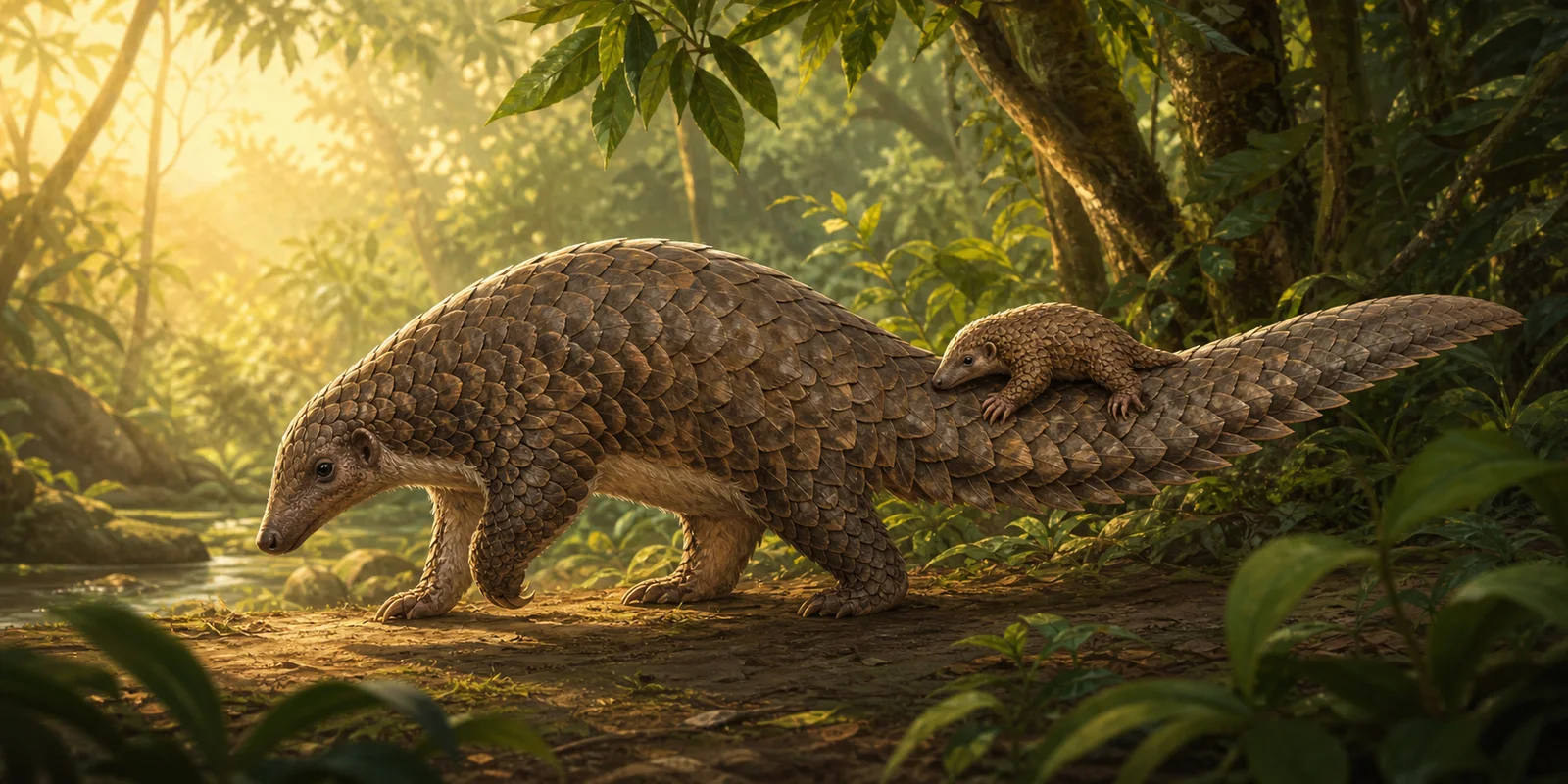
    Brookfield Zoo Chicago has a second tiny reason to celebrate this year: a female white-bellied pangolin pup who has already begun nursing consistently, exploring her nest box and taking rides on her mother’s tail.

    The pup was born June 8 to 11-year-old Virginia, the zoo announced on July 14. She is the zoo’s second pangopup of 2026. A male pup born to Rosy in February has moved on to another milestone—starting to wean and eat solid food.

    Both young pangolins remain behind the scenes while their care teams monitor them. That means the public update offers a small, welcome window into their progress without turning a sensitive early stage into a spectacle.

    A tail ride and a decade of careful work

    For a young white-bellied pangolin, riding on mom’s tail is not just an irresistible image. It is a natural way for a pup to travel with its mother. In the new arrival’s case, the behavior joins a practical list of encouraging observations: regular nursing and independent exploration of the nest box.
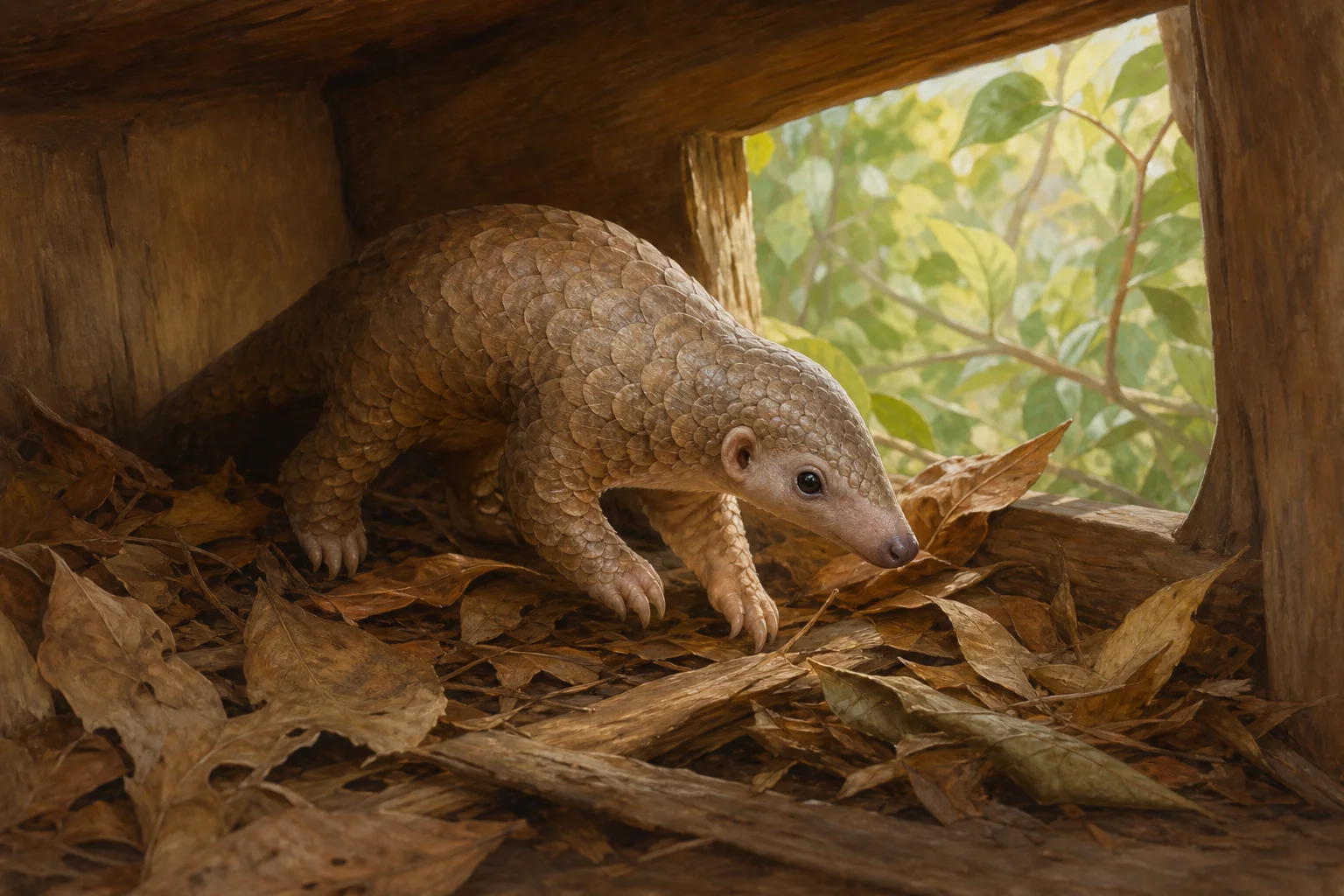
    Original editorial illustration of a young white-bellied pangolin exploring a leafy wooden shelter.
    Original Smile.news editorial illustration of a young white-bellied pangolin exploring a sheltered space; it does not depict the Brookfield Zoo pup.

    The birth also lands in a milestone year for Brookfield’s pangolin program. The zoo says it has welcomed 11 pangolin births over 10 years while building knowledge about nutrition, veterinary medicine, reproductive biology and newborn care. Those are unusually important areas of study for a secretive, nocturnal animal that can be difficult to observe in the wild.

    “Every pangolin birth is a special moment,” Racquel Ardisana, the zoo’s associate director of carnivore and small mammal care and conservation, said in the announcement. She called two births in one year an extraordinary milestone and credited a decade of work by the animal care team.

    What visitors can—and cannot—see

    The two pups are not currently on public view. Visitors can instead look for Kara, an adult white-bellied pangolin in Habitat Africa! The Forest. Brookfield says Kara is the only pangolin currently displayed in a North American habitat, and suggests checking around feeding times or watching carefully among the exhibit’s hiding spaces.

    White-bellied pangolins are native to forests in Central and West Africa. Their overlapping scales provide a remarkable defense: when threatened, a pangolin can curl into a tight ball. The IUCN SSC Pangolin Specialist Group classifies the white-bellied pangolin as endangered and says all eight pangolin species are threatened with extinction.
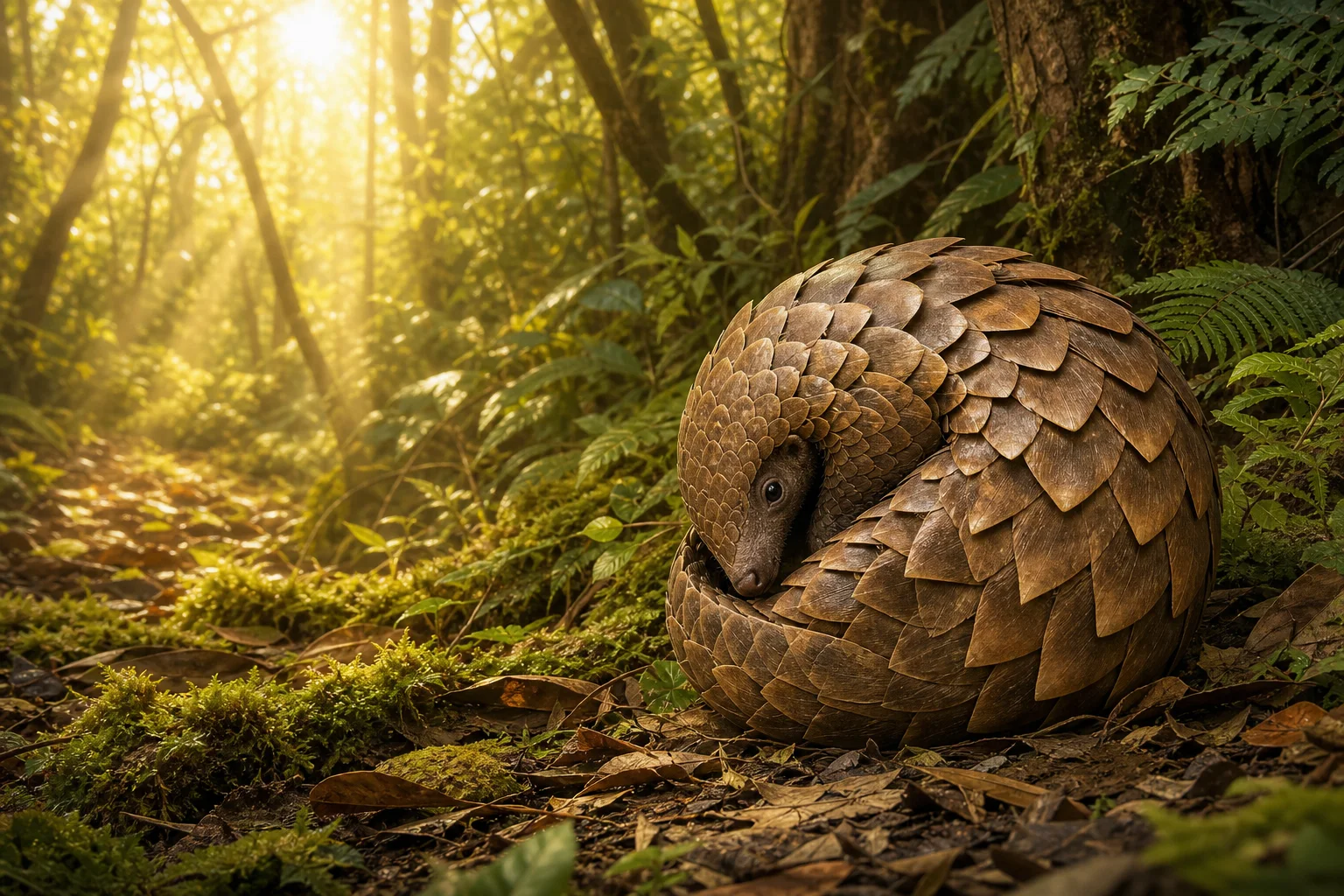
    Original editorial illustration of a white-bellied pangolin curled protectively on a sunlit forest floor.
    Original Smile.news editorial illustration showing a pangolin’s protective curled posture; it is a general species scene, not documentary evidence.

    That larger conservation picture gives the happy update some weight, but it does not need to eclipse the good news. The story here is about steady progress: one pup nursing and venturing around her nest, another learning to eat solid food, and a care team turning years of patient observation into information that can help the species.

    Two small arrivals, one shared conservation effort

    Brookfield leads the Association of Zoos and Aquariums’ SAFE Pangolin program, established in December 2025. According to the AZA, the program brings accredited institutions and field partners together to share data, care practices and conservation strategies across all eight pangolin species.

    The new pup may be small enough to hitch a ride, but her update reflects a wide circle of work—animal care specialists watching daily milestones, researchers learning from rare observations and conservation partners sharing what they discover.

    For now, the best news is also the simplest: Virginia’s pup is nursing, exploring and holding on for the ride.
    Sources

  • Cleveland Zoo Welcomes Its First Amur Leopard Cub in 144 Years

    Cleveland Zoo Welcomes Its First Amur Leopard Cub in 144 Years

    Cleveland has a tiny new reason to celebrate: an Amur leopard cub is growing behind the scenes at Cleveland Metroparks Zoo, marking the first birth of the species in the zoo’s 144-year history.

    A first for Cleveland—and for Ohio zoos

    The cub was born just after midnight on July 1 to five-year-old Marta and four-year-old Sylas, the zoo announced on July 14. Cleveland Metroparks Zoo said this is also the first Amur leopard birth among Ohio zoos.

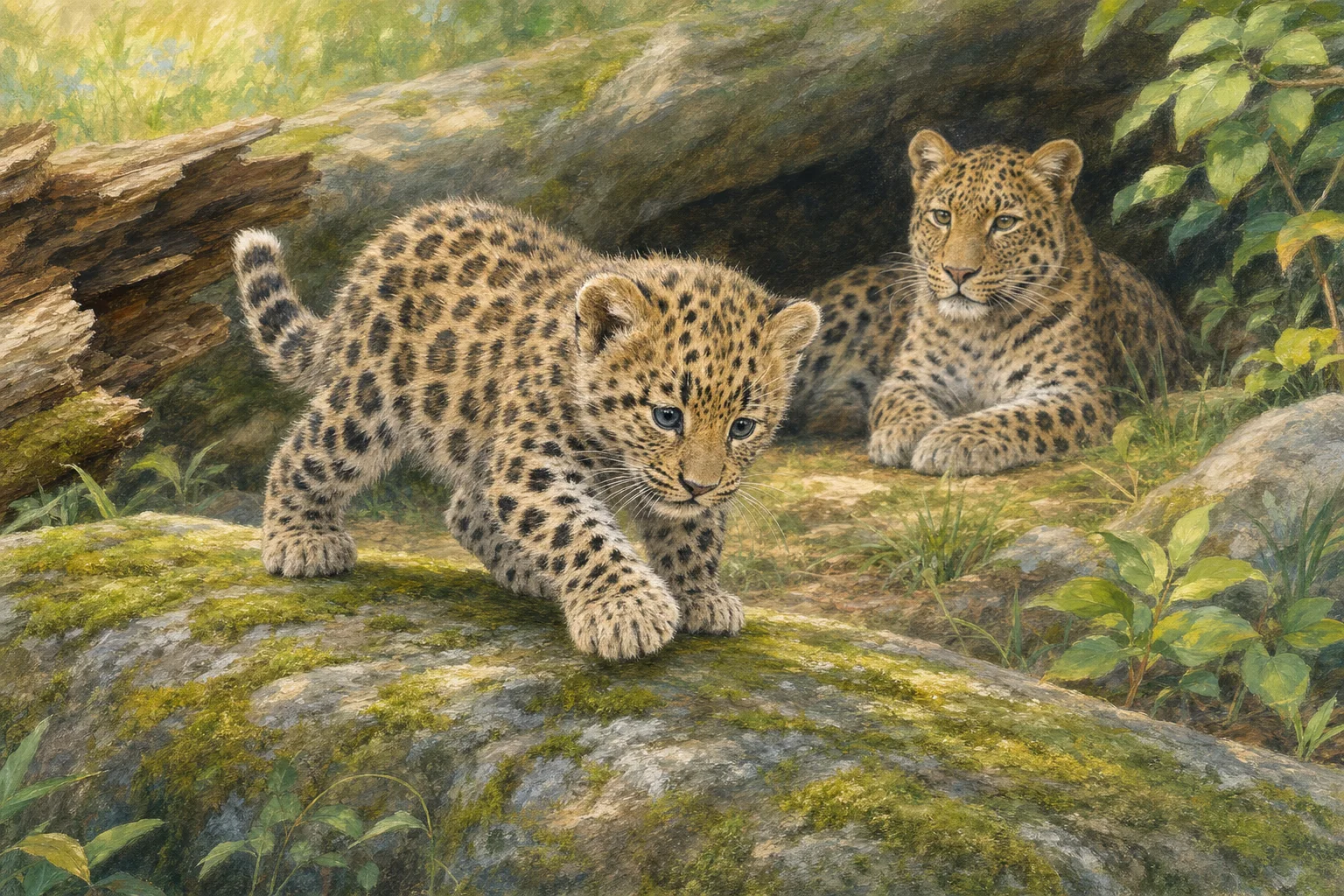
    For now, the smallest resident of the zoo’s Asian Highlands is spending quiet time with Marta away from public view. The animal-care team has observed the cub nursing, being groomed and already becoming mobile. Both Marta and Sylas are first-time parents.

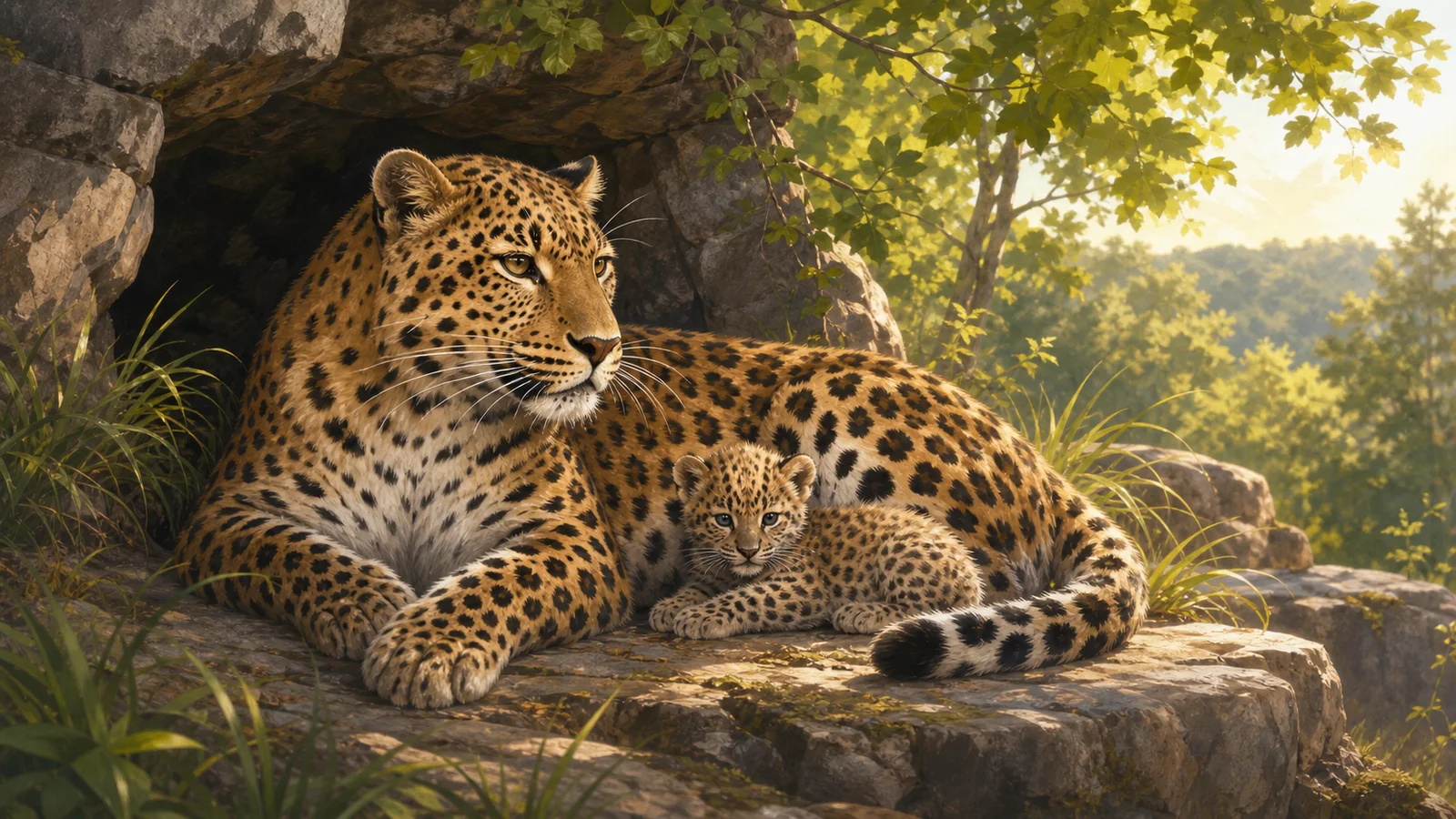
    Editorial illustration of a young Amur leopard cub taking careful steps while an adult leopard watches nearby
    A generic editorial illustration of an Amur leopard cub becoming mobile; it is not a photograph of the Cleveland cub.

    The cub will remain off exhibit for several weeks so mother and youngster can continue bonding. Sylas can still be seen in the Asian Highlands habitat, according to the zoo. The cub’s sex had not yet been determined when the announcement was published.

    Why one small cub matters

    Amur leopards are critically endangered, and their wild range is limited to a cold forest region spanning the Russian Far East and northeastern China. World Wildlife Fund says the cats are adapted to that northern landscape with thick coats and long tails that help them move through harsh winters.

    The Cleveland birth is part of the Association of Zoos and Aquariums’ Amur Leopard Species Survival Plan. These cooperative programs manage breeding recommendations across accredited institutions with the goal of maintaining healthy, genetically diverse populations of threatened and endangered species in human care.

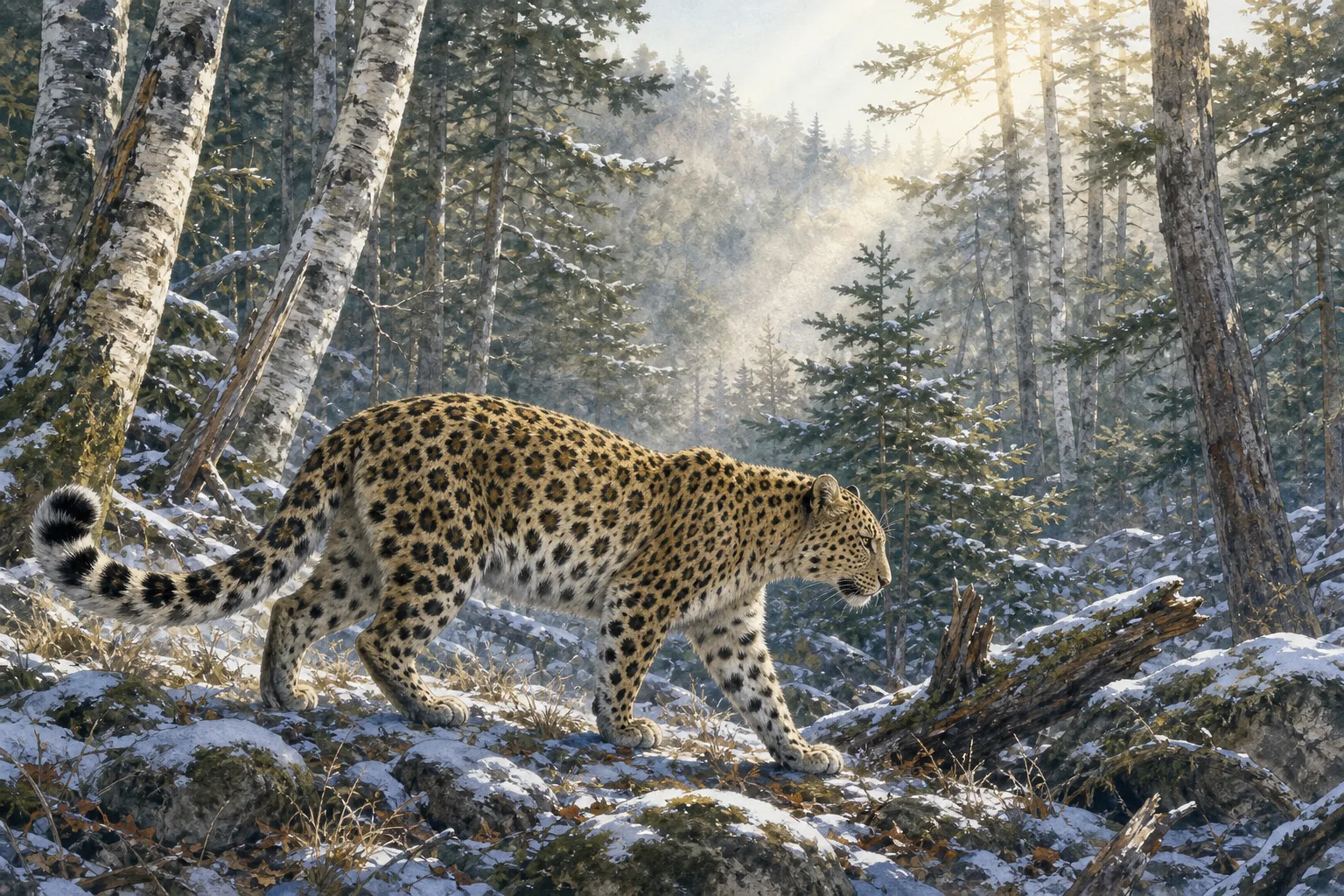
    Natural-history illustration of an Amur leopard walking through a snowy birch and conifer forest
    A natural-history illustration of the cold temperate forest habitat to which Amur leopards are adapted.

    “Every birth offers renewed hope for the future of this iconic species,” Cleveland Metroparks Zoo Executive Director Dr. Chris Kuhar said in the announcement, describing the cub as both a milestone for the zoo and a contribution to the long-term sustainability of the population in human care.

    The next happy update

    The zoo plans to keep sharing updates as the cub grows. It also said a public naming opportunity is coming, with the effort set to support Amur leopard conservation.

    That means the next chapter belongs to a cub currently doing exactly what a newborn should: staying close to mom, finding its feet and getting a little stronger each day.


    Sources: Cleveland Metroparks Zoo, Association of Zoos and Aquariums, and World Wildlife Fund.

  • Meet Linh Mai, the National Zoo’s First Asian Elephant Calf in Nearly 25 Years

    Meet Linh Mai, the National Zoo’s First Asian Elephant Calf in Nearly 25 Years

    A small elephant made a very big entrance in Washington, D.C., this spring—and her story has already connected animal care, public joy and conservation.

    Linh Mai, a female Asian elephant calf at the Smithsonian’s National Zoo and Conservation Biology Institute, stepped into public view on Earth Day, April 22, 2026. At two months old, she became the first Asian elephant calf born at the Zoo in nearly 25 years.

    Her debut was also shared online through the Zoo’s Elephant Cam, giving people beyond Washington a chance to watch her explore, socialize and learn.

    From a carefully watched pregnancy to a healthy arrival

    Linh Mai was born at 1:15 a.m. on February 2 to first-time mother Nhi Linh and father Spike. The Smithsonian said animal care teams had monitored the 21-month pregnancy through voluntary husbandry, blood samples and ultrasound exams.

    During her neonatal exam, the calf appeared healthy, alert and bright-eyed. She weighed 308 pounds and stood 38.5 inches tall—tiny by elephant standards, but already an impressive presence.

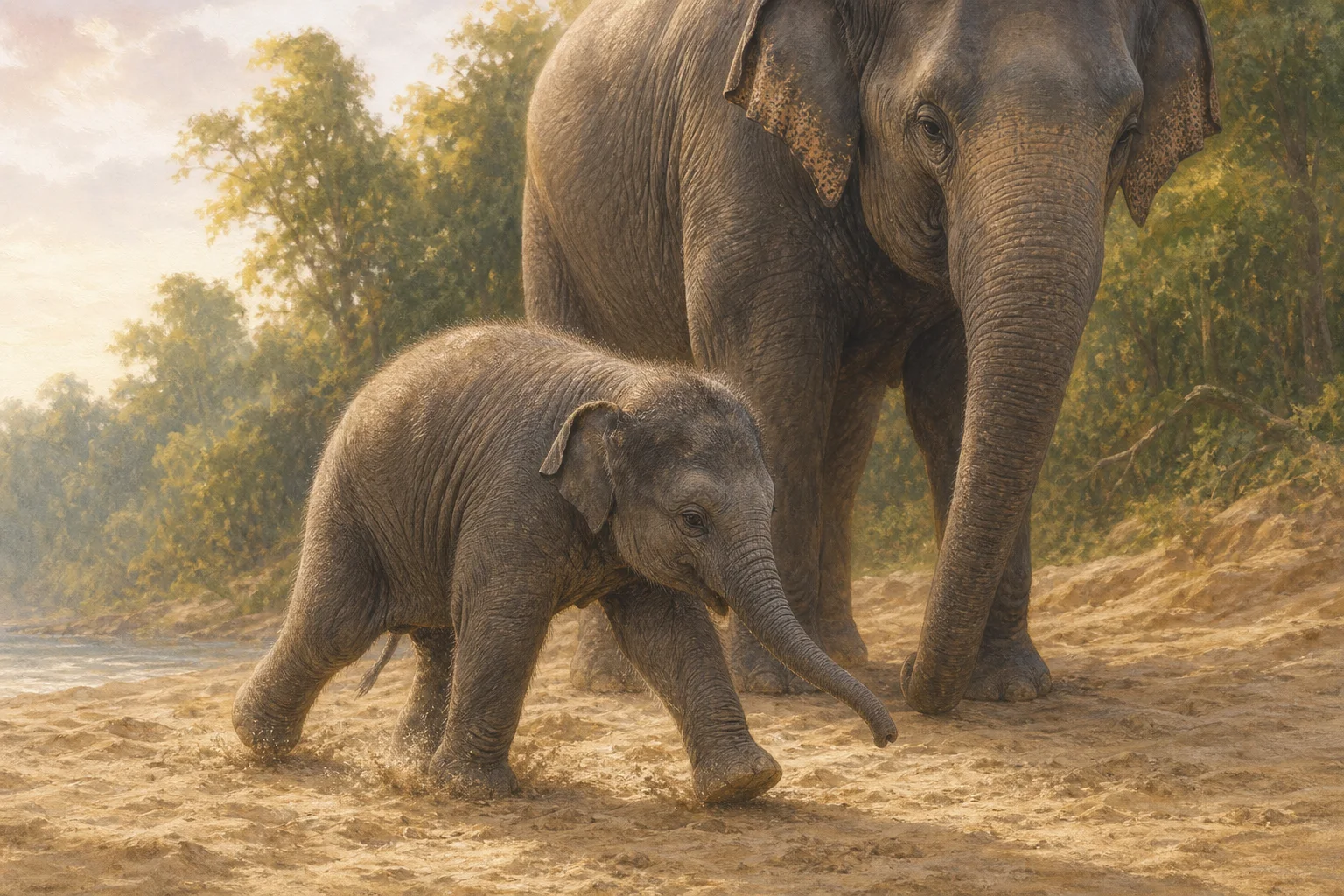
    Editorial illustration of an Asian elephant calf taking curious first steps
    Editorial illustration of an Asian elephant calf’s early steps; not a documentary image of Linh Mai.

    The birth followed a recommendation from the Association of Zoos and Aquariums’ Species Survival Plan. Because the parents’ genes are not well represented in the managed Asian elephant population, Smithsonian officials said the calf adds valuable genetic diversity.

    A name chosen by thousands of supporters

    For her first 11 days, the calf was known simply as the Zoo’s new arrival. Then the public helped choose a name inspired by her mother’s Vietnamese heritage.

    The winning choice was Linh Mai, pronounced “LIN-my.” The Smithsonian explains that Linh can mean spirit or soul, while Mai refers to the apricot blossom associated with Tết, the Vietnamese Lunar New Year.

    The 10-day naming campaign raised $58,892.70 for the Zoo’s Asian elephant care and conservation program. That made the vote more than a popularity contest: each ballot also supported the work behind the calf’s future and the Zoo’s wider elephant efforts.

    Growing into the herd

    Before the public debut, the Elephant Community Center remained closed for a quiet bonding period. The care team gradually helped Linh Mai build relationships with the herd and become comfortable in her surroundings.

    Asian elephants are deeply social animals, so those early connections matter. The public debut offered a visible milestone after weeks of careful, mostly behind-the-scenes work by keepers, veterinarians and the elephants themselves.

    The Smithsonian links its work with elephants in Washington to conservation programs in Southeast Asia. That makes Linh Mai’s story both immediately joyful and larger than one adorable calf. Her arrival gives visitors a reason to care, while the science and support around her contribute to the long-term work of protecting an endangered species.

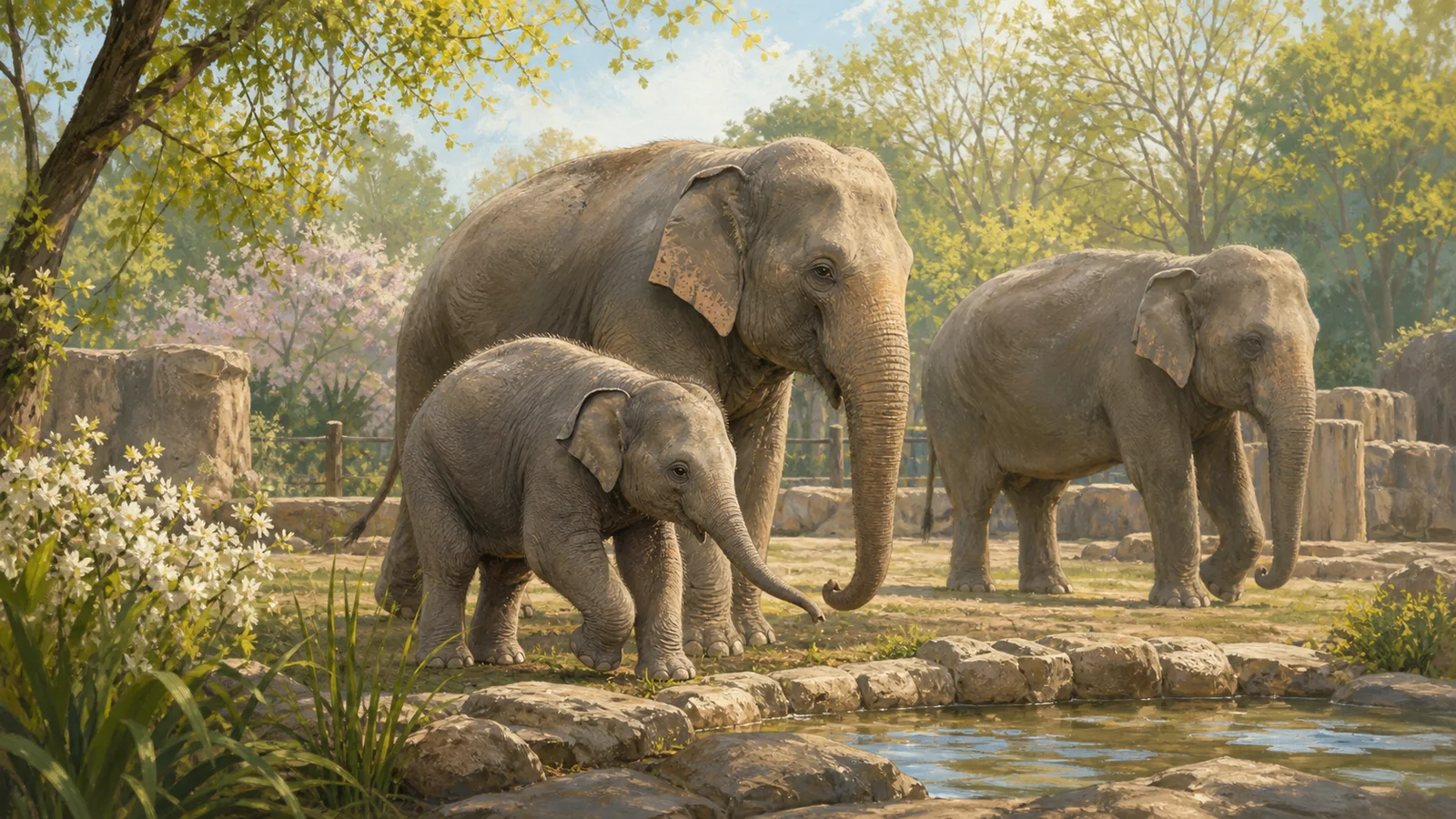
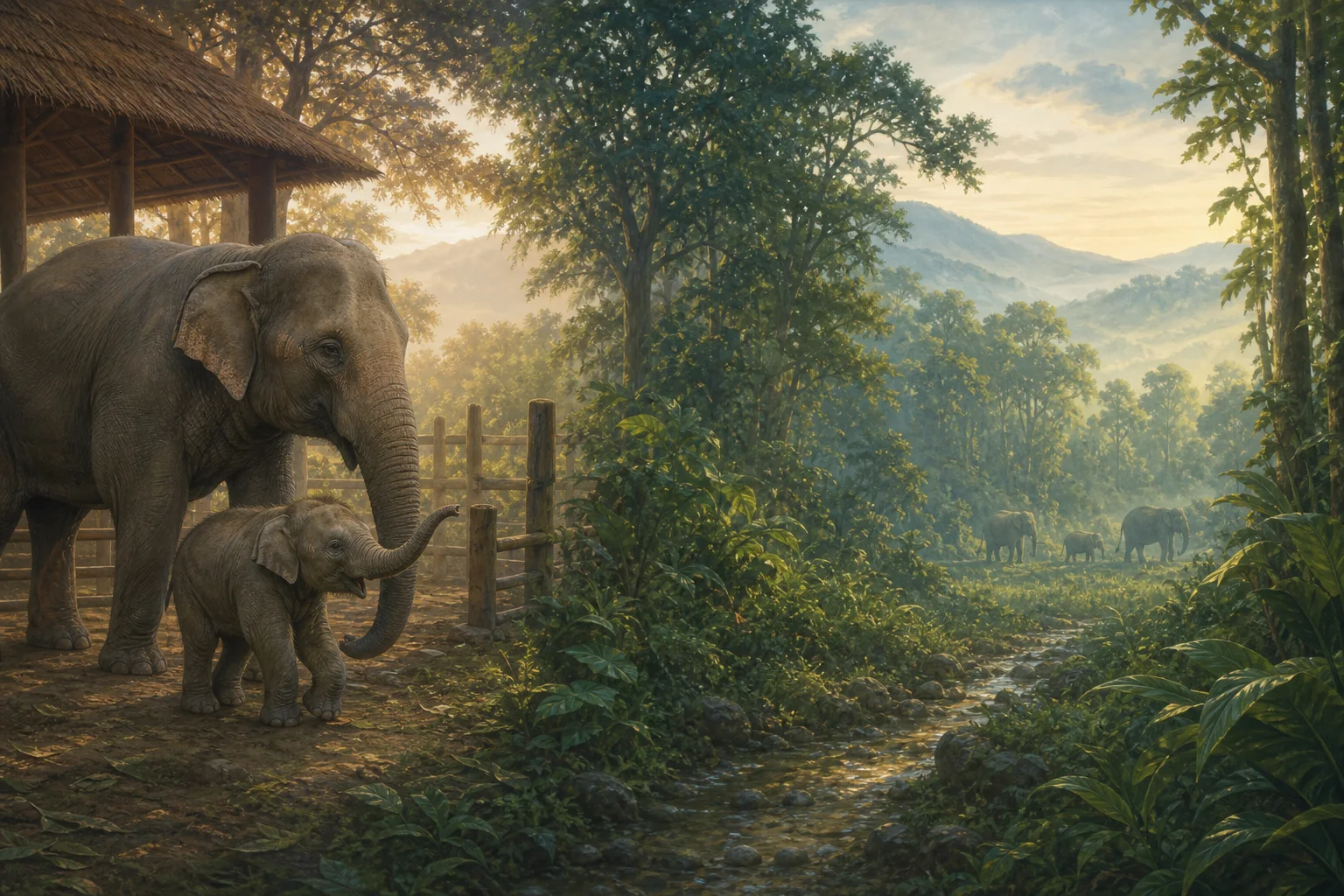
    Editorial illustration connecting elephant care with protected Asian forest habitat
    Editorial illustration symbolizing the connection between elephant care and conservation in Southeast Asia.

    For families who can visit the free National Zoo—and for anyone tuning in online—Linh Mai is now learning the world one step, rumble and trunk-curled discovery at a time.


    Sources: Smithsonian National Zoo and Conservation Biology Institute announcements covering Linh Mai’s birth on February 2, her publicly selected name on February 13, and her Earth Day debut on April 22, 2026.