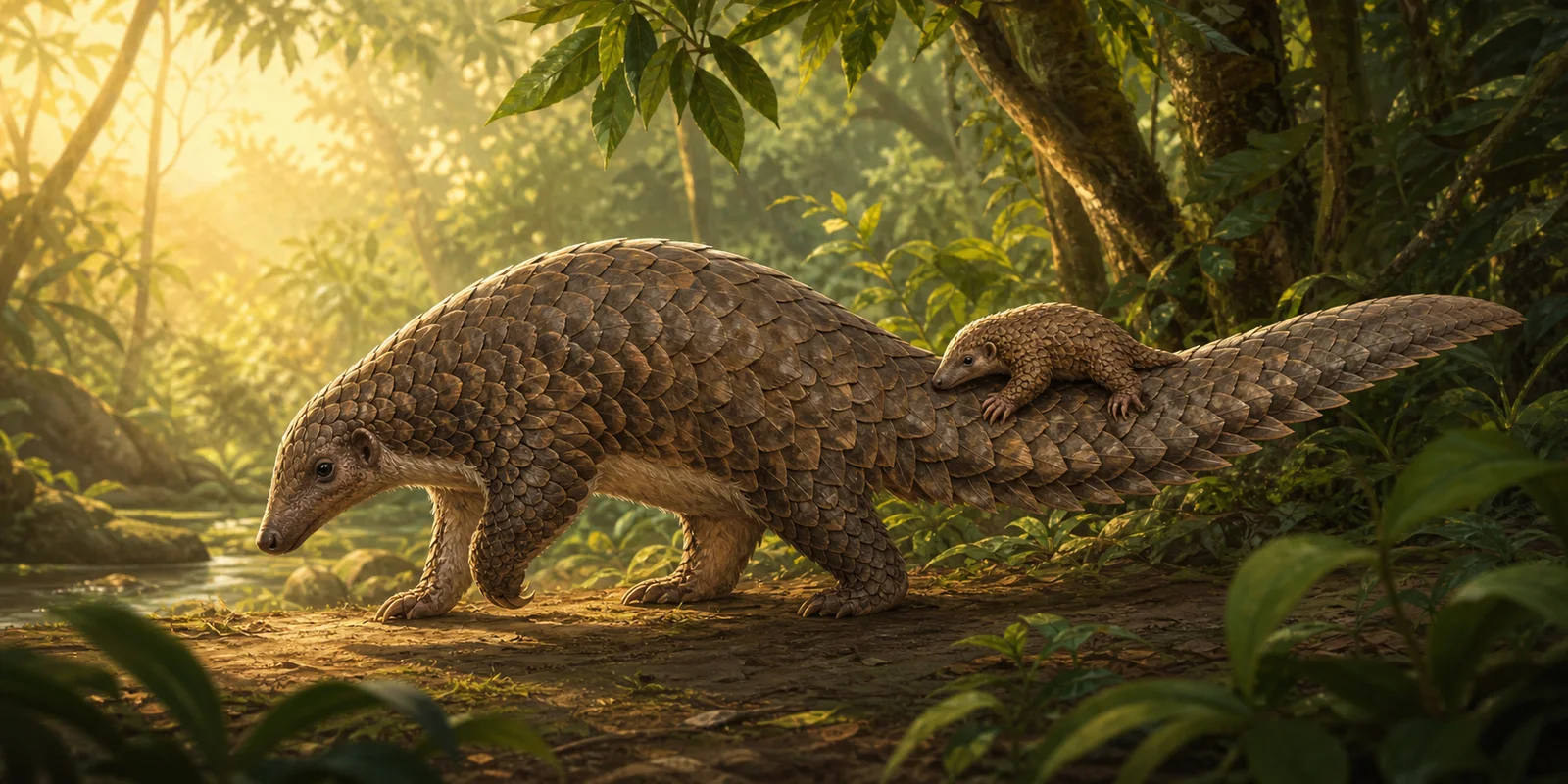
Brookfield Zoo Chicago has a second tiny reason to celebrate this year: a female white-bellied pangolin pup who has already begun nursing consistently, exploring her nest box and taking rides on her mother’s tail.
The pup was born June 8 to 11-year-old Virginia, the zoo announced on July 14. She is the zoo’s second pangopup of 2026. A male pup born to Rosy in February has moved on to another milestone—starting to wean and eat solid food.
Both young pangolins remain behind the scenes while their care teams monitor them. That means the public update offers a small, welcome window into their progress without turning a sensitive early stage into a spectacle.
A tail ride and a decade of careful work
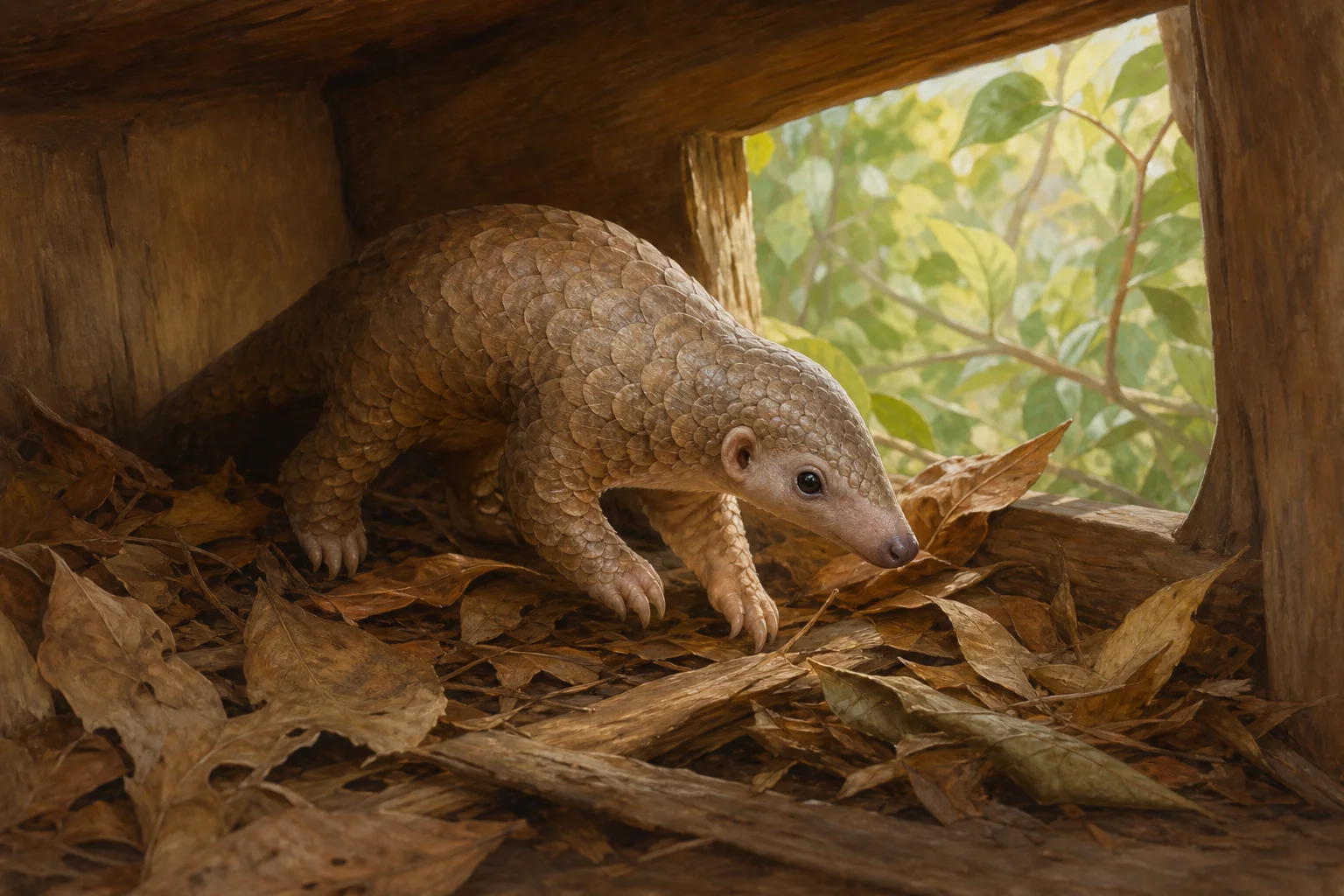
For a young white-bellied pangolin, riding on mom’s tail is not just an irresistible image. It is a natural way for a pup to travel with its mother. In the new arrival’s case, the behavior joins a practical list of encouraging observations: regular nursing and independent exploration of the nest box.
The birth also lands in a milestone year for Brookfield’s pangolin program. The zoo says it has welcomed 11 pangolin births over 10 years while building knowledge about nutrition, veterinary medicine, reproductive biology and newborn care. Those are unusually important areas of study for a secretive, nocturnal animal that can be difficult to observe in the wild.
“Every pangolin birth is a special moment,” Racquel Ardisana, the zoo’s associate director of carnivore and small mammal care and conservation, said in the announcement. She called two births in one year an extraordinary milestone and credited a decade of work by the animal care team.
What visitors can—and cannot—see
The two pups are not currently on public view. Visitors can instead look for Kara, an adult white-bellied pangolin in Habitat Africa! The Forest. Brookfield says Kara is the only pangolin currently displayed in a North American habitat, and suggests checking around feeding times or watching carefully among the exhibit’s hiding spaces.
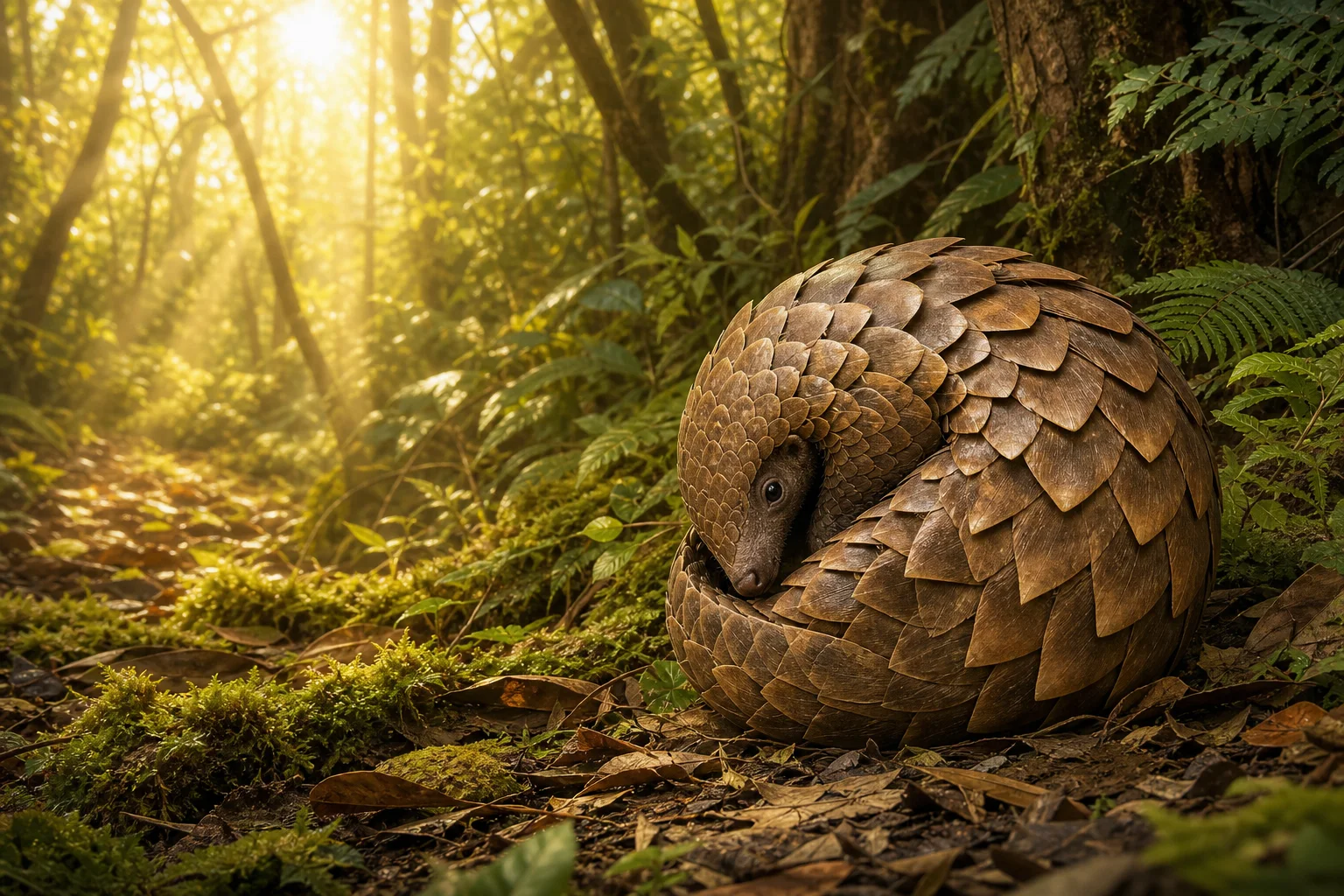
White-bellied pangolins are native to forests in Central and West Africa. Their overlapping scales provide a remarkable defense: when threatened, a pangolin can curl into a tight ball. The IUCN SSC Pangolin Specialist Group classifies the white-bellied pangolin as endangered and says all eight pangolin species are threatened with extinction.
That larger conservation picture gives the happy update some weight, but it does not need to eclipse the good news. The story here is about steady progress: one pup nursing and venturing around her nest, another learning to eat solid food, and a care team turning years of patient observation into information that can help the species.
Two small arrivals, one shared conservation effort
Brookfield leads the Association of Zoos and Aquariums’ SAFE Pangolin program, established in December 2025. According to the AZA, the program brings accredited institutions and field partners together to share data, care practices and conservation strategies across all eight pangolin species.
The new pup may be small enough to hitch a ride, but her update reflects a wide circle of work—animal care specialists watching daily milestones, researchers learning from rare observations and conservation partners sharing what they discover.
For now, the best news is also the simplest: Virginia’s pup is nursing, exploring and holding on for the ride.
Leave a Reply