A four-person Youth Conservation Corps crew spent the Nevada summer repairing trails, gathering native seeds and learning field skills alongside refuge staff at Stillwater National Wildlife Refuge.
Some summer jobs end with a paycheck. At Stillwater National Wildlife Refuge in Nevada, four teenagers finished their season with something extra: trails ready for the next visitor, native seeds ready for future work, and field lessons they can carry into whatever comes next.
The U.S. Fish and Wildlife Service’s Aug. 31 account of the 2026 Youth Conservation Corps crew describes a summer of practical stewardship. The teens maintained trails, planted native seeds, collected seeds for processing and learned how to band waterfowl in the Ruby Mountains. It is a cheerful stop on the Smile Across America map—a place where young people and experienced caretakers made a public landscape stronger together.
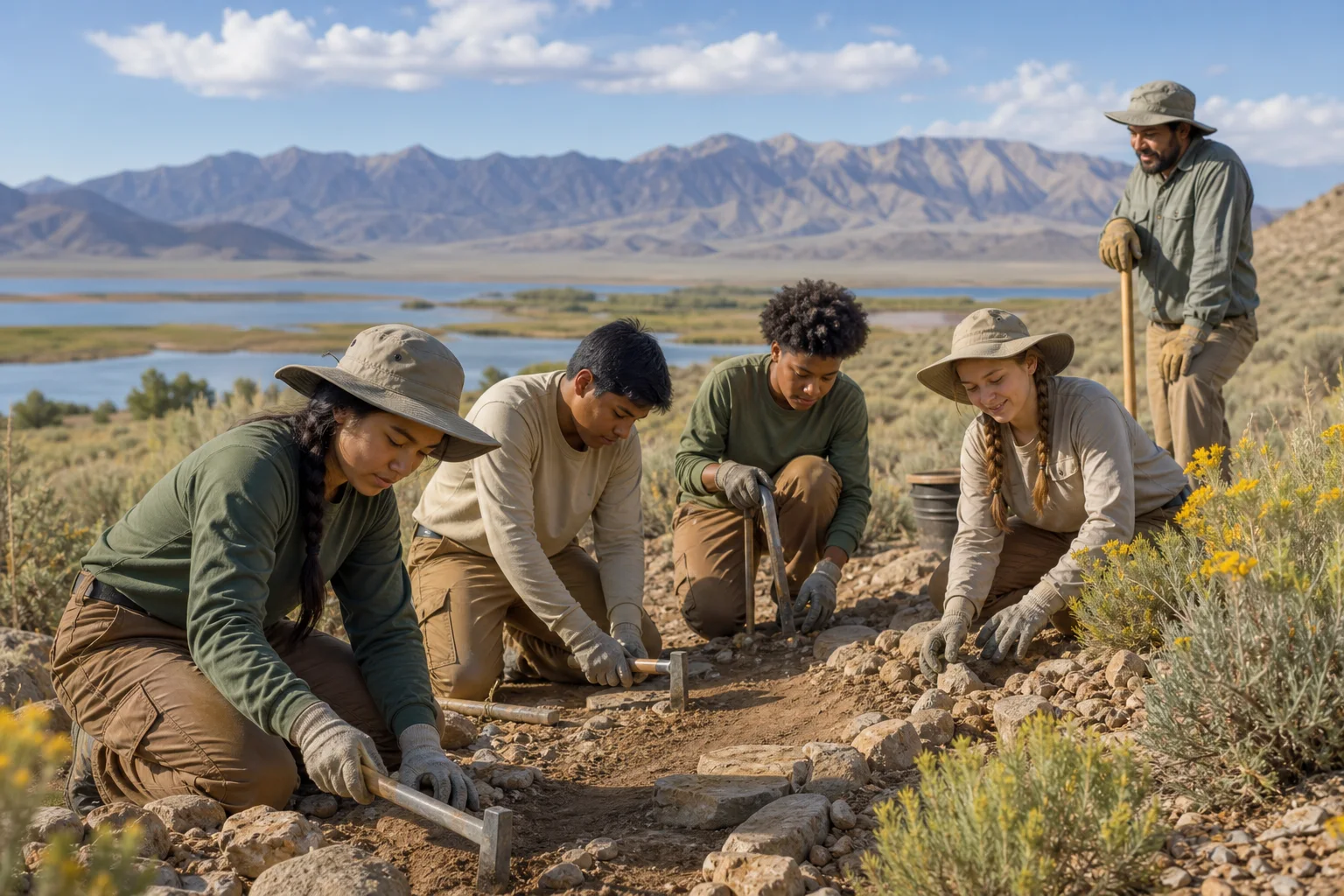
Four teens, many ways to help
The crew’s assignments moved across the refuge system. At Stillwater, they worked on maintenance and learned about the plants, animals and insects that make the local refuges their home. In the Ruby Mountains, refuge biologist Daniel Dewey taught them about waterfowl banding.
They also repaired the Cave Creek Trail and visited Fort Ruby to help with cleanup at the historic site. The variety matters: conservation can mean a careful observation, a restored path, a handful of seeds or an hour spent caring for a place with a long human story.
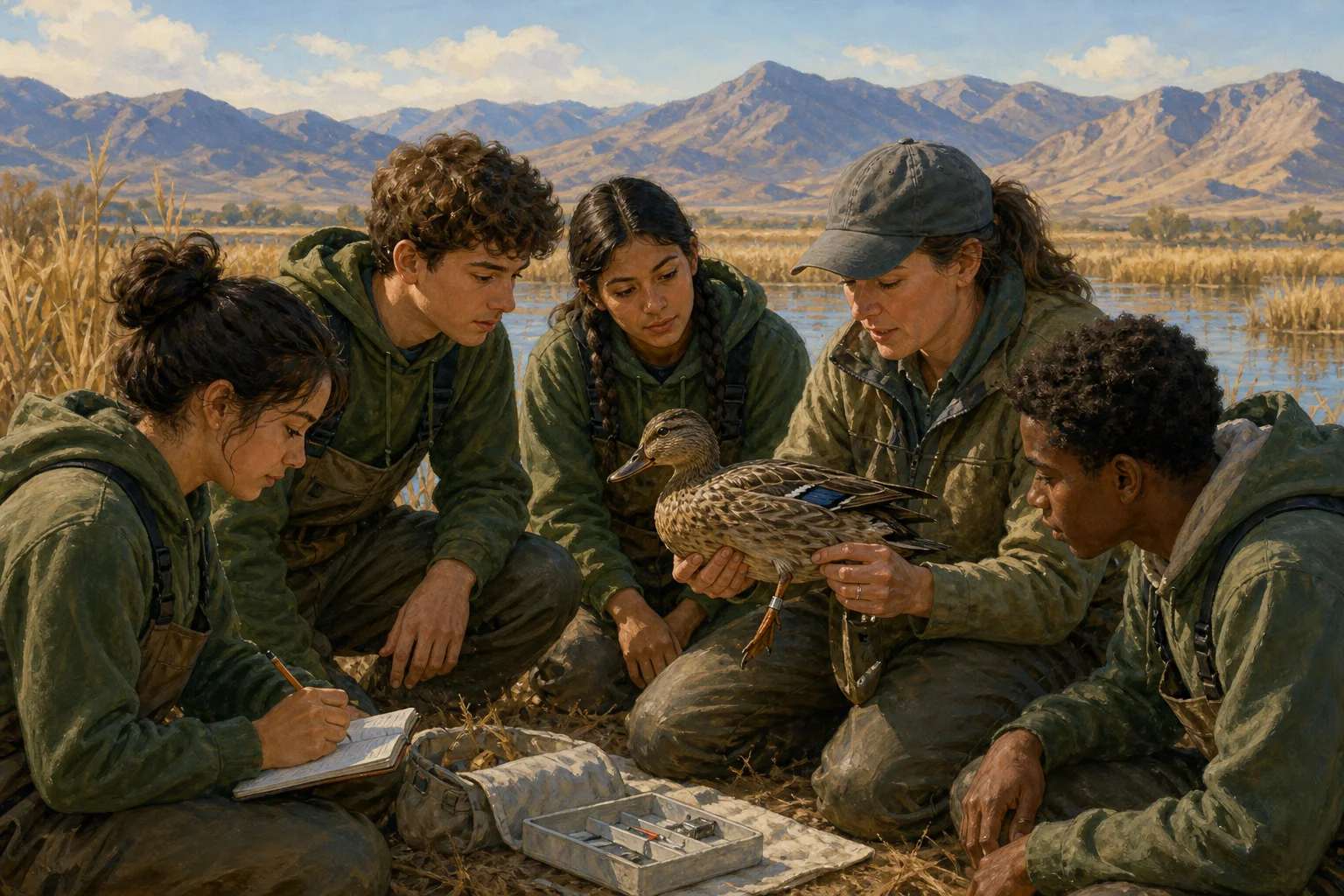
A mentor who keeps showing up
Leading the group was crew leader Keith Sluyter, who returned for his 17th season. The Service says he guided the teenagers through refuge maintenance, local biology and the many details that turn an outdoor assignment into a real education.
Nevada’s summer heat made the work demanding, and the crew prioritized safety in the desert conditions. A short break at Ruby Lake National Wildlife Refuge offered more tolerable temperatures and another chance to learn alongside staff. The rhythm—work, instruction, care and regrouping—is the kind of support that lets a first job become a foundation.

Public lands, personal futures
Youth Conservation Corps positions employ teenagers ages 15 to 18 as summer workers at national wildlife refuges, national parks and national forests. Participants learn public-lands stewardship and conservation while doing useful work in the places they help care for.
Stillwater’s four-person crew leaves behind more than repaired paths and collected seeds. They leave a model for a good summer: show up, learn from someone who knows the place, take care of the details and make room for the next person. That is how a refuge becomes a classroom—and how a community’s future gets a little greener.
Source note: Crew size, assignments, mentor names and program details are from the U.S. Fish & Wildlife Service story “Youth Power at Stillwater NWR,” published Aug. 31, 2026. All images are original editorial illustrations.
Leave a Reply