Author: Jacob

  • Smile Across America: A Small Iowa Town Made Room for a New Kind of Game Day

    Smile Across America: A Small Iowa Town Made Room for a New Kind of Game Day

    Smile Across America

    In West Branch, Iowa, a town festival made room for the usual pleasures of summer—music, a parade, food and games—and one especially local kind of friendly competition.

    Editorial illustration of families and neighbors enjoying a summer festival on a tree-lined small-town Iowa Main Street.
    Editorial illustration

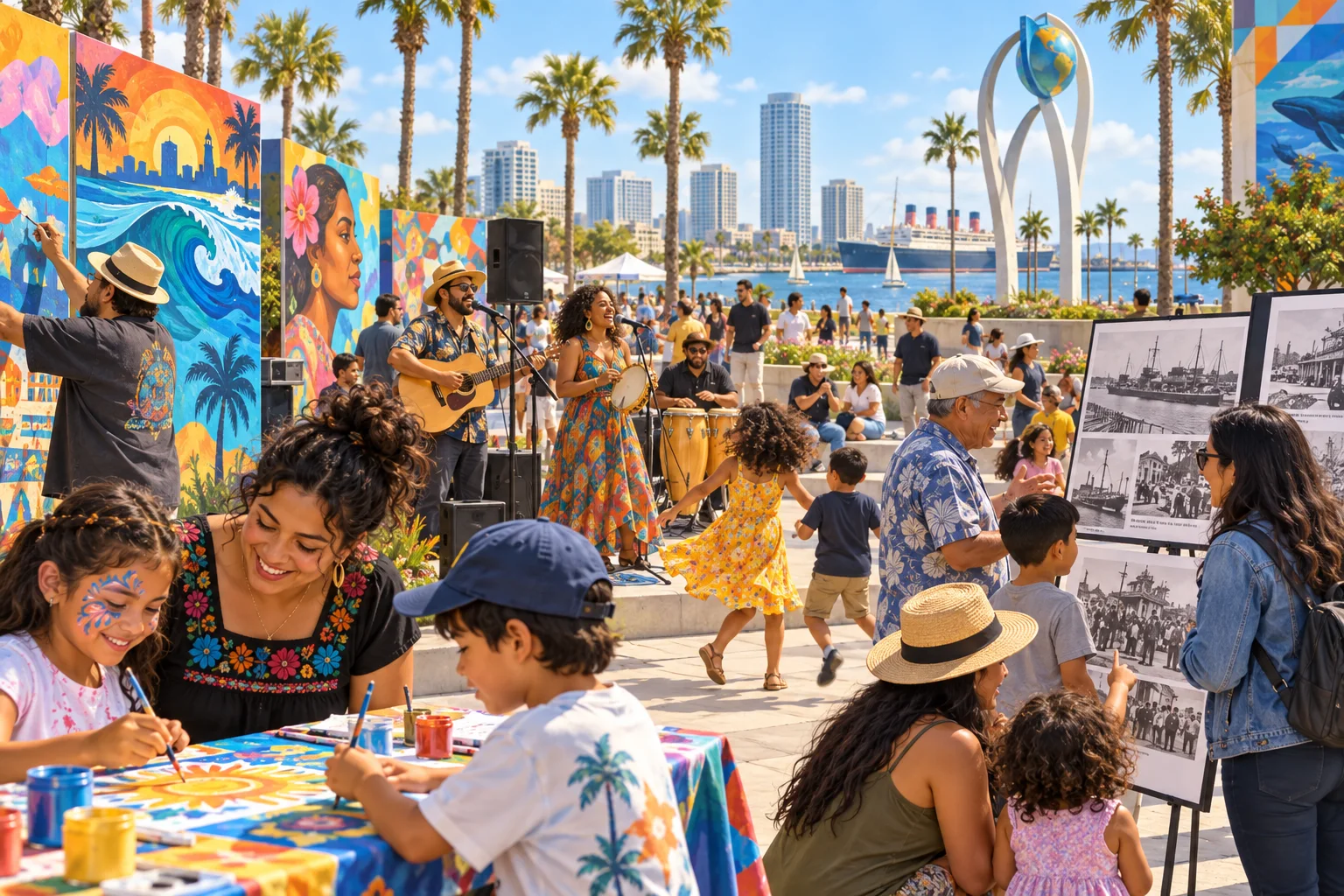
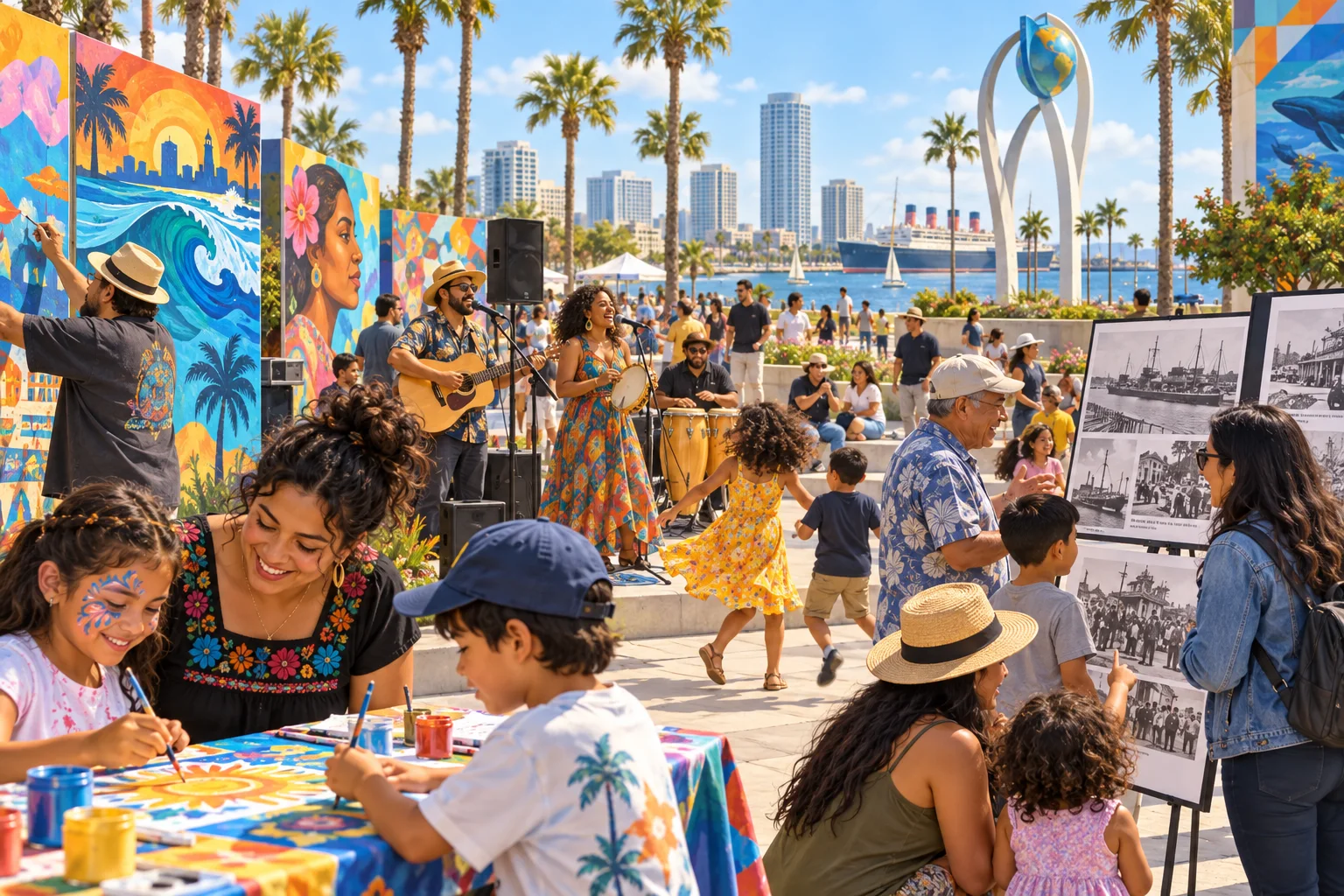
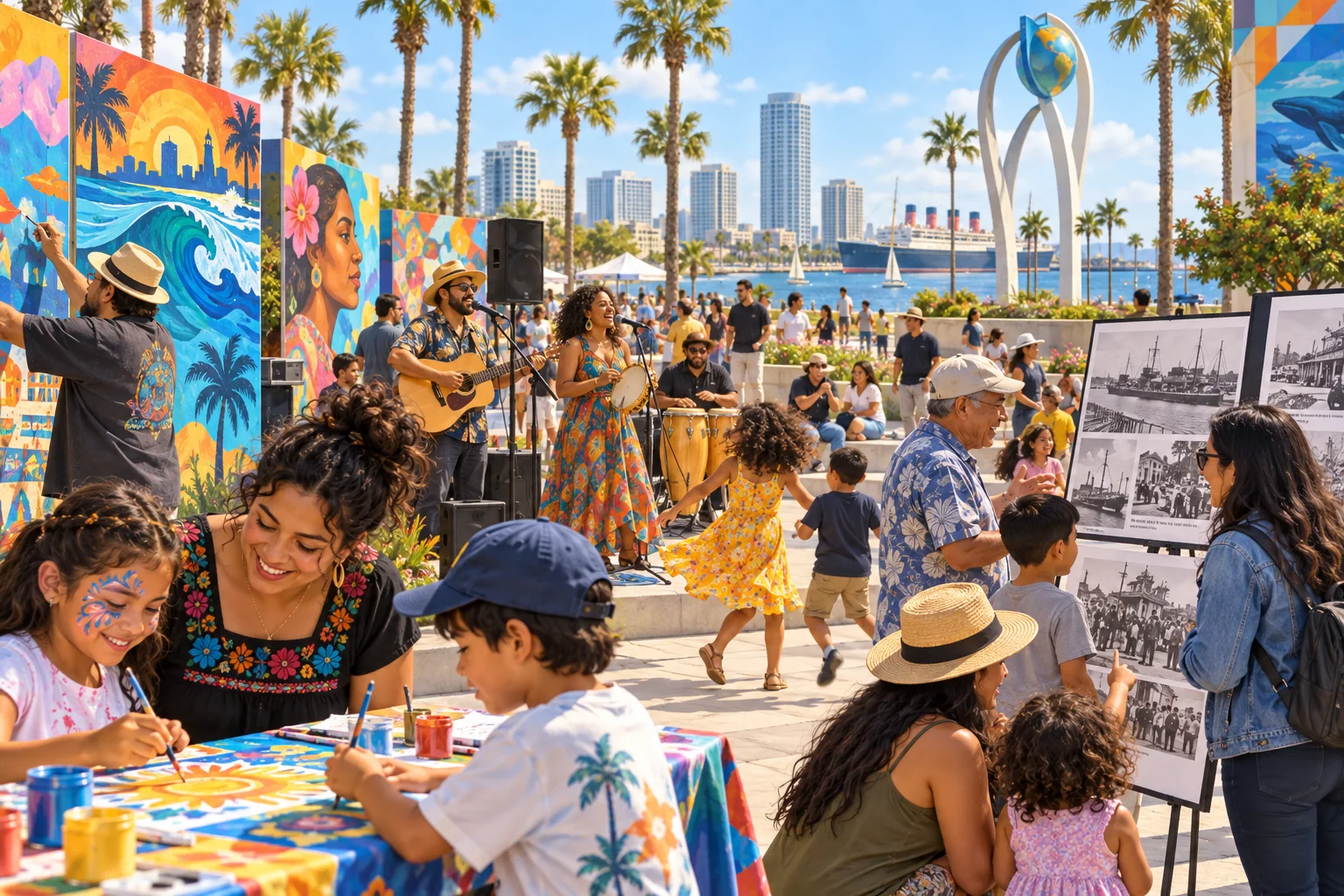
    Hoover’s Hometown Days brought residents and visitors together in West Branch on August 7 and 8. The National Park Service listed the free festival at Herbert Hoover National Historic Site and in the city as an annual celebration of the town’s heritage and its small-town spirit. The organizer described two days of free entertainment, family activities, local food and shopping in the historic downtown.

    That is a familiar enough festival recipe. What gave this year a particularly neighborly plot twist was Hoover-Ball: a local game with a waist-high net and a ball passed over it by hand. A DVIDS photo record from August 8 documented a special Army-versus-Navy exhibition game during the celebration, with service members and honorary captains assembling for the match.

    A hometown game gets a shared stage

    The 2026 event was held just after the grand reopening of the Herbert Hoover Presidential Library and Museum, according to DVIDS. Festival organizers had also billed the weekend as a chance to enjoy free live music, children’s activities, historical experiences and local vendors. The Park Service’s listing adds bouncy houses, inflatable games, a petting zoo, free museum admission and the annual Mayor’s Parade to the mix.

    Those details matter because they show how a community gathering works at human scale. One family can stop for a parade, another can browse Main Street, and someone who came for the history can find a game already under way. Nobody has to choose one definition of “local culture” when all of it fits within a few walkable blocks.

    Editorial illustration of neighbors playing a friendly ball game over a low net while families watch at a summer community festival.
    Editorial illustration

    Hoover-Ball is part of that mix. The festival’s official site promoted a special Army-versus-Navy exhibition for 2026, and the DVIDS record confirms the game took place on August 8. The point was not to turn a hometown tradition into a national spectacle; it was to give the crowd another reason to gather around the same patch of grass and cheer.

    The people who make a block party possible

    The warmest part of a festival is often the work that happens before it opens. Hoover’s Hometown Days identifies itself as a stand-alone nonprofit supported by volunteer leaders and collaborating local organizations. Its committee page names people serving as officers, volunteers and liaisons from the city, the parks department, Main Street, the Hoover Foundation and the fire department.

    That list helps explain why the festival can feel so expansive without losing its hometown shape. A parade needs organizers, vendors need a place to set up, and visitors need the small practical gestures that make an unfamiliar street feel welcoming. The public-facing program celebrated history, but the operating model was contemporary community care: people taking on small jobs so their neighbors can have a good day together.

    Editorial illustration of volunteers setting up chairs and a children’s activity table as families arrive for a small-town summer festival.
    Editorial illustration

    West Branch’s festival is over for this year, but its lesson travels well. Civic joy does not need an elaborate script. Sometimes it looks like a volunteer committee, a downtown open to visitors, a few free things for children to do, and a local game that invites people to look up and root for one another.

    Sources

  • Smile Across America: A Little Duck Race Will Follow a Much Older Waterway

    Smile Across America: A Little Duck Race Will Follow a Much Older Waterway

    Smile Across America

    At Mission San Juan in San Antonio, a few small rubber ducks are scheduled to take a short trip through a waterway with a much longer local story.

    Editorial illustration of children, parents and grandparents watching yellow rubber ducks float along a shallow acequia near Mission San Juan.
    Editorial illustration

    San Antonio Missions National Historical Park has listed a free Rubber Duck Grand Prix at Mission San Juan for August 23 at 10 a.m. The one-hour program invites visitors to watch rubber ducks race down the historic acequia, an irrigation channel that the National Park Service says helped sustain mission communities for centuries.

    It is a particularly cheerful way to meet a place that can look quiet at first glance. An acequia is not a decorative stream: it is an irrigation ditch, designed to move water where people needed it. At the San Antonio missions, the Park Service explains, the systems began with water diverted from the San Antonio River and used the natural grade of the land to carry it to farm fields.

    A small race with a big conversation starter

    The event listing classifies the Grand Prix as a children’s program and says there is no fee. For families, that gives the waterway an approachable role: a child can root for a tiny duck while an adult notices the channel, the gates and the fields around it. The program is scheduled at Mission San Juan, one of the sites within San Antonio Missions National Historical Park.

    Editorial illustration of a child and grandparent placing a yellow rubber duck in a shallow acequia while a park guide looks on near Mission San Juan.
    Editorial illustration

    The Park Service’s account of the acequias places their construction in the early 1700s, when mission inhabitants dug channels to irrigate crops. It describes a system that directed river water through ditches and, in places, over an aqueduct. That practical design makes an excellent family-scale question: how can water travel across a landscape without modern pumps?

    Mission San Juan still makes that history visible. The Park Service says visitors can follow acequias carrying water from the San Antonio River to fields, and describes a small demonstration farm beside the historic system. The irrigation ditches remain in use there: water is used by the San Antonio Food Bank to irrigate crops that are donated to people in the city.

    Water, fields and neighbors

    That living connection is what gives the planned duck race its charm. The day is not a reenactment of the past, and a rubber duck is obviously a toy. But the simple act of watching something float with the current can make the underlying engineering easier to notice—where the water enters, how the channel follows the land, and why a community once depended on getting that route right.

    It also makes room for the kind of low-stakes shared moment that parks do well: children leaning in, relatives comparing guesses, and neighbors gathering around a piece of infrastructure that still has a purpose. The event page does not promise a particular result or provide registration details, so visitors should treat it as a scheduled public program and check the listing before traveling.

    Editorial illustration of families walking beside a flowing acequia and farm rows at Mission San Juan after a community rubber-duck event.
    Editorial illustration

    Before you go

    The National Park Service lists the Rubber Duck Grand Prix for August 23, 2026, at 10 a.m. at Mission San Juan, with a one-hour duration and free admission. This is a preview of a forthcoming event, not a report of one that has already happened. For any changes or visit details, consult the official event listing.

    Sources

  • Smile Across America: At Old Slater Mill, Neighbors Will Take to the Airwaves

    Smile Across America: At Old Slater Mill, Neighbors Will Take to the Airwaves

    Smile Across America

    On Saturday, a historic Rhode Island mill will make room for a very modern kind of neighborly introduction: a chance to pull up a chair, listen in and see how a radio signal can turn a local gathering into a conversation across distance.

    Editorial illustration of neighbors and amateur-radio volunteers gathered around a portable radio station outside a red-brick mill.
    Editorial illustration

    The Blackstone Valley Amateur Radio Club is scheduled to host a free Parks on Air demonstration at Old Slater Mill National Historic Landmark in Pawtucket, Rhode Island, on Saturday, August 22. The National Park Service says the drop-in program runs from 9 a.m. to 5 p.m., rain or shine, as part of National Park Week.

    The plan is refreshingly hands-on. Club operators will set up several stations, invite visitors to watch amateur radio in action and offer them the chance to make contacts with other radio operators in the United States and around the world. The event is listed as open to all ages, with no admission charge.

    A hobby built around saying hello

    At its heart, the day is about people sharing a skill that can otherwise seem mysterious from the outside. The Park Service says experienced operators will introduce visitors to the many sides of amateur radio, from its practical science and technology to the friendships that can grow through radio waves.

    Editorial illustration of amateur-radio volunteers and a child setting up a small portable antenna beside a historic red-brick mill.
    Editorial illustration

    That makes the setting especially fitting. Old Slater Mill is a place associated with early American industry, and the club’s event adds another strand to the story: people gathering around tools, learning by watching and trying, and sending a signal beyond the edge of the lawn. The National Park Service lists the program as a partner event for families and children as well as other visitors.

    A small stop on a bigger week

    The program falls on the opening day of National Park Week, which runs August 22 through 30. This year’s Park Service theme is “Celebrate America’s Story,” a nationwide invitation to explore parks, join programs and make personal connections with the places they preserve.

    For a family already planning a weekend around the Blackstone River Valley, the radio table offers a gentle entry point: a volunteer ready to explain a dial, a visitor ready to listen, and perhaps a greeting carried farther than anyone at the table expected. It is not a promise of a particular contact or outcome; it is a free public invitation to discover how those connections are made.

    Editorial illustration of children and older neighbors wearing headphones together at a portable radio table outside a historic mill at sunset.
    Editorial illustration

    Before you go

    These are plans for a forthcoming event, not a report of a completed gathering. The National Park Service lists the event at Old Slater Mill from 9 a.m. to 5 p.m. on August 22, rain or shine. Visitors can check the official event listing for current details before traveling.

    Sources

  • Smile Across America: At Bighorn Canyon, a Piece of Driftwood Becomes a Family Story

    Smile Across America: At Bighorn Canyon, a Piece of Driftwood Becomes a Family Story

    Smile Across America

    At Bighorn Canyon, Wyoming, a small piece of driftwood is about to become a family memento—and a reason for neighbors to spend time caring for a shared shoreline.

    Editorial illustration of a family painting driftwood with a program leader beside a blue canyon lake.
    Editorial illustration

    On August 22, Bighorn Canyon National Recreation Area plans to begin its National Park Week activities with a free driftwood-art session at Horseshoe Bend Picnic Area. Aquatic Invasive Species Intern Natalie will lead the two-hour program, scheduled for 10 a.m. to noon. The park says participants can collect driftwood from the surrounding area and turn it into a keepsake of their visit.

    It is an appealingly modest invitation: sit down, make something with a found bit of wood and look out across the water and canyon walls together. The National Park Service says the session is for families, budding artists and anyone looking for a hands-on way to connect with the park.

    A week for making a personal connection

    The Bighorn Canyon program is part of National Park Week, which runs August 22 through 30 this year. The nationwide theme is “Celebrate America’s Story,” and the Park Service has positioned the week as a time to explore nature and history, join ranger programs and make new memories outdoors.

    At Bighorn Canyon, the calendar adds a second kind of connection. On August 29, the park plans a park-wide cleanup at Horseshoe Bend from 10 a.m. to 1 p.m. Aquatic Invasive Species Intern Charlie is set to assign areas, while volunteers help keep trails and shorelines welcoming for wildlife and future visitors. The park says it will provide trash bags; participants are asked to bring work gloves, water, snacks, sun protection and sturdy shoes.

    Editorial illustration of volunteers in gloves working together on a rocky canyon-lake shoreline cleanup.
    Editorial illustration

    The two events make a nice pairing. One asks people to notice a small piece of a place and make it their own. The other asks them to leave the larger place ready for the next family, walker or wildlife watcher. Neither requires a grand gesture; both make room for people to contribute at a human scale.

    Before heading out

    These are scheduled programs, not reports of completed events. Visitors can confirm details and current conditions with Bighorn Canyon’s official calendar before traveling. The Park Service’s National Park Week page also lists the August 25 fee-free day marking the agency’s 110th birthday.

    Editorial illustration of three generations of a family admiring a painted driftwood keepsake at a canyon-lake overlook, with volunteers in the distance.
    Editorial illustration

    There is no need to overstate what a paintbrush or a cleanup bag can do. But a few unhurried hours by the water can give a family a story to take home—and leave a public place a little more ready for someone else’s story.

    Sources

  • Smile Across America: Local Volunteers Help Reopen a Safer Way to Root Glacier

    Smile Across America: Local Volunteers Help Reopen a Safer Way to Root Glacier

    Smile Across America

    At Alaska’s Root Glacier, a practical piece of community work has reopened a way for visitors to reach one of Wrangell-St. Elias National Park and Preserve’s signature landscapes.

    Editorial illustration of park trail workers and local volunteers standing together at the start of a rocky reroute, with an Alaska glacier in the distance.
    Editorial illustration

    Earlier this summer, park geologists found unstable ground and a possible landslide area on the moraine beside the Root Glacier access trail north of the Kennecott Mines National Historic Landmark. The National Park Service closed that section in July and began looking for a safer way around it.

    By August 3, park employees and local volunteers had established a new route. The work did not erase the hazard—the original area remains closed—but it did give visitors a way to continue toward the glacier while avoiding the unstable slope and the risk of falling rock.

    That distinction is what makes the update feel quietly generous. The new path is not a shortcut, nor a promise that mountain terrain will stand still. It is a route made with care for the people who come after: families, first-time visitors, longtime hikers and the neighbors who help keep this enormous park welcoming.

    Editorial illustration of four trail workers and volunteers clearing vegetation and improving a rocky footpath above an Alaska glacier.
    Editorial illustration

    A route built for the people behind it

    The Park Service says trail crews brushed vegetation and improved the walking surface where practical. The reroute begins 1.8 miles along the Erie Mine Trail: visitors go roughly ten yards beyond the Amazon Creek footbridge, turn left, then travel downhill about 0.6 miles to the glacier’s edge. In all, the route is about 2.5 miles one way to glacier access.

    Acting Superintendent Joshua Scott credited staff and volunteers for moving quickly to create the alternative. That is the people-first heart of this story: a group of workers and local helpers responding to a changing landscape with a useful, shared answer.

    Root Glacier is one of the park’s most visited destinations, and the new route preserves an experience many people travel a long way to have. The original closure, meanwhile, remains important. It is a reminder that a better route is also one that respects the forces already at work in glacial country.

    Editorial illustration of an intergenerational hiking group viewing an Alaska glacier from a marked rocky overlook at a safe distance.
    Editorial illustration

    Keep the welcome practical

    Visitors should expect uneven footing. The Park Service describes the route beyond the improved section as natural terrain with rocky glacial debris and muddy areas near the glacier’s edge. It recommends traction devices for anyone planning to step onto the ice and advises putting them on before reaching the steep glacier access point.

    Conditions in glacier and moraine landscapes can change quickly, so hikers should stay on the designated route, follow closure signs and check current conditions with the park or at the Kennecott Visitor Center before setting out.

    There is no grand ribbon-cutting in this story—just a closed route, people willing to do the careful work, and a new way forward. In a place shaped by moving ice and loose rock, that is a welcome worth noticing.

    Sources

  • Smile Across America: A Turtle Named Ivy Has Grandbabies, and a Community Cheered Them On

    Smile Across America: A Turtle Named Ivy Has Grandbabies, and a Community Cheered Them On

    Smile Across America: On a June evening in Concord, Massachusetts, a crowd gathered at Great Meadows National Wildlife Refuge for a small send-off with a very long backstory: two nine-month-old Blanding’s turtles were about to return to a wetland.

    The pair were not simply this year’s hatchlings. They are the first documented offspring of Ivy, a turtle who herself passed through the refuge’s headstart program years earlier. For the people who have spent decades protecting nests, raising hatchlings and watching the wetlands, it was a generational milestone measured in two small shells.

    Editorial illustration of conservation volunteers and children watching a biologist release a Blanding’s turtle into a summer wetland at sunset.
    Editorial illustration

    A community-sized head start

    Great Meadows’ program works by giving hatchlings a safer first winter. The U.S. Fish and Wildlife Service says the young turtles are placed with care facilities, including local schools, while they are still tiny; by spring, they are substantially larger and better able to survive. MassWildlife describes the classroom side of the work as part of Zoo New England’s HATCH program, which has involved more than 22,000 Massachusetts K–12 students since 2009.

    The June 25 release brought together Zoo New England, MassWildlife, the U.S. Fish and Wildlife Service, conservation partners and supporters. The two hatchlings were Ivy’s offspring, a fact that connects a 2026 release to a program that began at Great Meadows in 2003.

    Ivy’s own journey makes that connection tangible. After she was headstarted and returned to the refuge as a young turtle, she went unseen for years. Field technicians found her again during a 2023 survey. In 2025, conservationist Jimmy Welch tracked and protected her nest; it produced seven hatchlings. Some of the siblings were raised in local classrooms and released with students before the June gathering, according to the Fish and Wildlife Service.

    Editorial illustration of children, a teacher and a conservation worker observing a young yellow-throated Blanding’s turtle beside a wetland.
    Editorial illustration

    More than a release

    About 40 people came to the refuge to see the two turtles off, the Fish and Wildlife Service reported. The group included field technicians, animal-care specialists, volunteers, interns, retired teachers whose students had raised turtles, and nearby residents. It also honored Dr. Bryan Windmiller, who founded Zoo New England’s Blanding’s turtle conservation program at Great Meadows and retired this year.

    That mix of people matters because the turtles live in a busy landscape. They use wetlands and travel over land, so their future depends on careful habitat work, monitored nesting areas and neighbors who understand why a turtle may be crossing a road or using a nearby marsh. The partners deliberately avoid publicizing sensitive wild-turtle locations, a protection that lets the celebration stay joyful without making the animals more vulnerable.

    The payoff is not instant. Blanding’s turtles can live for decades, and long-term recovery asks for patience. But this evening offered a practical kind of optimism: a student’s winter classroom project, a technician’s field survey, a protected nest and a community’s attention all converged at the water’s edge.

    Editorial illustration of two young Blanding’s turtles swimming from a release tray into a reed-lined wetland at sunset while volunteers watch from shore.
    Editorial illustration

    The warmest kind of return

    At the end of the gathering, the conservation team waded into the wetland and released the next generation. For everyone who had helped make room for these turtles—in classrooms, on survey routes and around the refuge—the moment was a reminder that conservation can be personal without being possessive. Sometimes the happy ending is simply watching a small creature disappear into the place it belongs.


    Sources: U.S. Fish and Wildlife Service reporting by Bridget Macdonald, July 7, 2026; and MassWildlife’s July 1, 2026 release with Zoo New England and the U.S. Fish and Wildlife Service.

  • Smile Across America: A Night Where D.C. Learns the Next Step Together

    Smile Across America: A Night Where D.C. Learns the Next Step Together

    Smile Across America is a warm look at real ways communities make room for one another. Our next stop is Washington, D.C., where a historic mill yard is set to become a dance floor for one summer evening.

    On Saturday, August 29, Peirce Mill in Rock Creek Park will host a free Summer Square Dance from 7 to 10 p.m. The National Park Service says the DC Square Dance Collective will bring live music and a caller to the mill yard, turning an old community gathering place into a place for people to learn the next step together.

    Editorial illustration of a multigenerational group square dancing in the twilight beside a historic stone mill, with musicians and warm string lights.
    Editorial illustration

    A welcome that starts before the first turn

    The practical details are unusually friendly to newcomers. The Park Service says no partner, lessons, or prior experience are required, and that a caller will teach and guide each dance. The DC Square Dance Collective confirms that its events welcome all ages and experience levels; the group says its volunteers make the dances happen, with live callers and musicians at each one.

    That makes the evening less a test of whether anyone already knows a do-si-do and more an invitation to try one. A caller can name the moves; the circle does the rest. Families, friends, regular dancers, and first-timers can arrive with the same first assignment: listen, step in, and keep going.

    Editorial illustration of a square-dance caller demonstrating a move to a mixed-age circle of dancers in a leafy mill yard at twilight.
    Editorial illustration

    An old mill, a current kind of gathering

    Peirce Mill stands in Rock Creek Park at 2401 Tilden Street NW. Friends of Peirce Mill, which lists the August 29 event on its own calendar, says dancers will gather in the mill yard under twinkling lights. The organization and the National Park Service both list the program as free. If rain gets in the way, the Park Service lists Sunday, August 30, as the rain date.

    There is something useful in a public event that explains its welcome so plainly. No prior knowledge is assumed. No partner is required. A caller will help. Those are small logistical facts, but together they lower the threshold for the shy guest, the curious neighbor, and the person who has only seen square dancing from the edge of a room.

    Editorial illustration of an older adult and a child resting between dances near musicians and the stone wall of a historic mill on a summer evening.
    Editorial illustration

    Plan the evening

    The Summer Square Dance is scheduled for Saturday, August 29, 2026, from 7 to 10 p.m. at Peirce Mill in Rock Creek Park, Washington, D.C. The event is free, with a rain date of Sunday, August 30. Visitors can check the National Park Service event listing and the Friends of Peirce Mill calendar for current details before heading out.

    For one late-August evening, the invitation is pleasantly direct: come as you are, listen for the caller, and join the circle.

    Sources: National Park Service — Rock Creek Park special events; DC Square Dance Collective; Friends of Peirce Mill events calendar.

  • Smile Across America: A Three-Hour Invitation to Care for Yosemite Valley

    Smile Across America: A Three-Hour Invitation to Care for Yosemite Valley

    Smile Across America is a warm look at real ways communities care for the places they share. This stop is Yosemite Valley, where a few practical hours are on the calendar for August 18.

    Yosemite National Park is inviting people to a drop-in litter clean-up on Tuesday, August 18, 2026, from 10 a.m. to 1 p.m. The meeting point is in front of the Exploration Center in Yosemite Village. It is an unusually straightforward invitation: the park says volunteers can simply show up for these special events rather than complete an application in advance.

    Editorial illustration of volunteers gathering with a park leader in Yosemite Valley, with granite cliffs and a waterfall behind them.
    Editorial illustration

    A small window to pitch in

    Three hours is a manageable slice of a summer day, and the work has a clear purpose: helping keep Yosemite Valley looking beautiful. The National Park Service says the summer clean-up is one of several special events where people can join a hands-on project. Tools and protective equipment are provided.

    For anyone planning to take part, the park asks participants to wear long pants and closed-toe shoes suited to the weather, and to bring sun protection, water, and snacks. Everyone must sign a volunteer agreement; a guardian must sign for a participant under 18. Those simple details are worth checking before leaving home, especially in the middle of a Sierra summer.

    Editorial illustration of three volunteers using litter grabbers and collection bags together along a shaded Yosemite Valley path.
    Editorial illustration

    Care that fits the visit

    The invitation has a pleasingly local rhythm: arrive at a familiar village meeting point, work alongside other people for a morning, and leave the shared landscape a little more cared for. It is an example of the kind of short-term service the National Park Service makes available across the country, from a single day to longer commitments.

    That does not make a clean-up glamorous, and it does not need to. The appeal is the visible, neighborly part of the job: people making room in an already-planned day to care for a place that welcomes millions of visitors. Yosemite’s event page also lists a Junior Ranger Day on August 22, another reminder that public lands can be places to participate, not only places to pass through.

    Editorial illustration of an adult and a young volunteer collecting small pieces of litter beside a Yosemite Valley meadow, with Half Dome in the distance.
    Editorial illustration

    Before you go

    The National Park Service’s Yosemite drop-in volunteering page is the practical place to confirm the August 18 details and review what to bring. The broader Volunteer with Us guide has links for finding opportunities nationwide.

    For now, Yosemite’s invitation is refreshingly specific: meet at 10 a.m., bring water, wear sensible shoes, and lend a hand. In a valley known for enormous views, it is a small way to make a real difference.

    Sources: Yosemite National Park — Drop-in Volunteering and Special Events; National Park Service — Volunteer with Us.

  • A Kona Community Workday Invites Care for ʻAimakapā Fishpond

    A Kona Community Workday Invites Care for ʻAimakapā Fishpond

    Smile Across America

    On Hawaiʻi Island’s Kona Coast, a few hours of shared outdoor work are on the calendar for Thursday: the National Park Service is inviting volunteers to help care for ʻAimakapā Fishpond at Kaloko-Honokōhau National Historical Park.

    The park’s Mālama ʻAimakapā Community Workday is scheduled for August 13 from 8:30 a.m. to noon. The plan is simple and practical: a short, half-mile hike followed by invasive-species removal around the fishpond. The park says the workday is open to everyone who registers, with gloves available for people who need them.

    Editorial illustration of volunteers walking beside a Hawaiian coastal fishpond with hand tools.
    Editorial illustration

    A place where care has a long view

    ʻAimakapā is more than a scenic stop near Kailua-Kona. The National Park Service describes it as the largest natural pond and wetland system on Hawaiʻi Island’s Kona Coast, at about 30 acres. It is a loko puʻuone: a fishpond formed behind a sand berm, where freshwater and seawater mix through channels. Native Hawaiians modified the pond for aquaculture, which remained active into the 1950s.

    That layered history helps explain why a small community workday matters. NPS materials identify ʻAimakapā as a rare natural fishpond and wetland complex with cultural significance as well as habitat value. The park’s longer-term restoration plan includes invasive-species control, native-plant restoration, monitoring, and community involvement.

    Editorial illustration of gloved volunteers removing invasive vegetation along a coastal wetland edge.
    Editorial illustration

    For people who want to take part, the park asks participants to bring water, a hat, reef-safe sunscreen, hiking boots, and gloves if they have them; water shoes can be provided. The invitation is not dressed up as a grand gesture. It is an attainable morning of showing up, meeting neighbors, and helping protect a place whose water, plants, birds, and history are closely connected.

    Care that stays local

    Kaloko-Honokōhau regularly hosts workdays because volunteers help preserve both natural and cultural resources, according to the park. That is the quiet promise in the word mālama: care expressed through action. On this stretch of Kona coast, it can look like a pair of gloves, a patient walk, and a group willing to make room for the wetland to thrive.

    Editorial illustration of a calm Hawaiian coastal fishpond wetland with distant wading birds and lava rock.
    Editorial illustration

    How to join: Registration details and final instructions are available from Kaloko-Honokōhau National Historical Park’s volunteer page.

    Sources

  • Talkeetna’s Riverfront Gets a Sunday Set Aside for Helping Out

    Talkeetna’s Riverfront Gets a Sunday Set Aside for Helping Out

    Talkeetna, Alaska, has a simple invitation for Sunday: come to the riverfront, lend a hand, and make room for a little community care.

    Denali National Park and Preserve and the Susitna River Coalition have scheduled a River Clean Up & Weed Pull Day for Sunday, August 16, from 10 a.m. to 2 p.m. The gathering is planned for the Walter Harper Talkeetna Ranger Station at 22241 S. B St., where volunteers will meet before heading out along the riverfront.

    Editorial illustration of community volunteers collecting litter along an Alaska riverfront with mountains in the distance.
    Editorial illustration

    The project pairs two very down-to-earth tasks: cleaning up the shoreline and pulling invasive weeds. The park describes it as a family-oriented volunteer day tied to World Salmon Day, an occasion that gives a practical bit of stewardship a shared reason to gather.

    There is something cheerfully accessible about the way the day is organized. Families and friends are welcome; children under 18 need to come with a parent, guardian, or consent agent. Participants are asked to bring water, snacks, lunch, hiking boots, rain gear, and layers. Safety gear and tools are to be provided, according to the park.

    A small invitation with a wide-open view

    Community cleanups are often measured in bags collected or weeds removed. This one also makes space for a gentler measure: a few hours spent looking after a place that belongs to everyone who walks its banks, fishes its waters, or simply stops to watch the river move by.

    Editorial illustration of volunteers carefully pulling weeds among riverbank grasses beside an Alaska river.
    Editorial illustration

    Denali’s volunteer program regularly invites people into hands-on work, from trail maintenance to native-seed gathering. On its volunteer page, the park says people contribute more than 60,000 hours each year across the park and preserve. That broader tradition gives a one-day gathering in Talkeetna a satisfying context: ordinary local effort is part of how beloved public places stay cared for.

    For people considering the August 16 event, the useful details are refreshingly clear. Meet in front of the ranger station, dress for the weather and uneven ground, and plan for a few hours outdoors. The park lists the Volunteer Office at 907-683-6444 for questions.

    The kind of Sunday that travels well

    Not every uplifting story needs a ribbon cutting. Sometimes it is a riverfront, some borrowed tools, and neighbors choosing to spend part of a Sunday tending what they share. Talkeetna’s planned cleanup is a local invitation, but its spirit is easy to recognize anywhere: bring the family, do a useful thing, and leave a familiar place a little more cared for.

    Editorial illustration of a multigenerational family pausing at an Alaska riverbank after volunteer work, with a child looking through binoculars.
    Editorial illustration

    Source

    Event details and volunteer guidance: Denali National Park and Preserve Volunteer Program.